CRM & Job Management
The Ultimate Guide to Roofing CRM Software
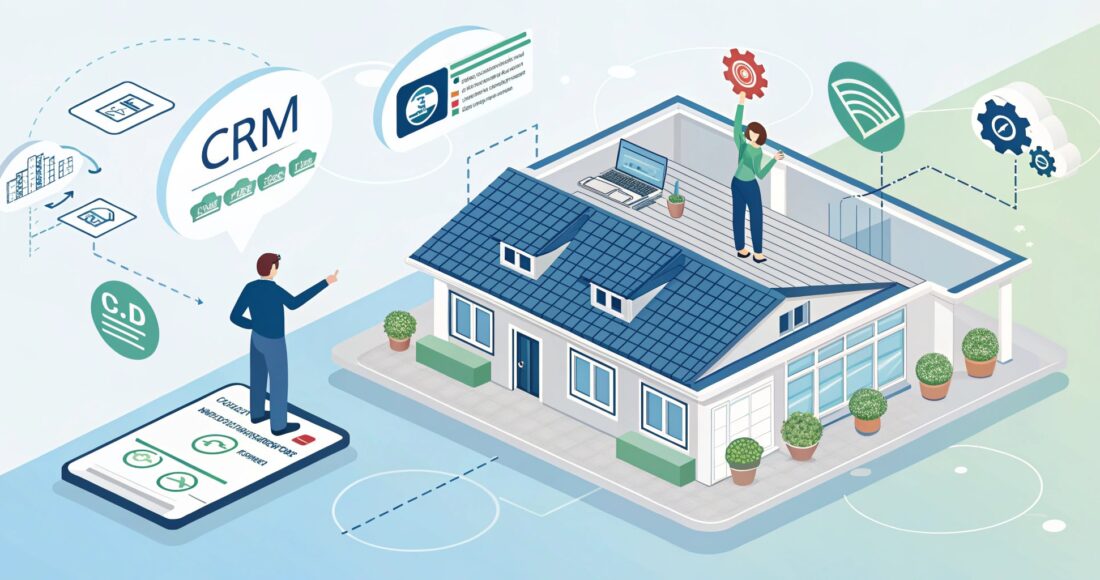
In the roofing business, speed, follow-up, and customer trust can make or break a deal. But when your quotes, calendars, and client notes are scattered across spreadsheets or whiteboards, things fall through the cracks—and so do your profits. That’s where roofing CRM software steps in.
Whether you’re chasing leads, juggling crews, or scaling your operations, the best roofing CRM can help you stay organized, close more jobs, and deliver five-star service from the first call to the final invoice.
In this guide, we’ll break down exactly what a CRM for roofers does, why it matters, and how to pick the best CRM for your roofing company. We’ll compare top software options, show how CRMs integrate with tools like roofing sales software and roofing management systems, and share real-world examples of contractors using CRM to win more business with less stress.
Plus, if you’re looking to level up beyond software—like getting more commercial roofing leads, improving your roofing SEO, running high-converting Google Ads, or upgrading your roofing web design—we’ve got you covered.
Let’s dive in.
What is Roofing CRM Software?
Definition and Importance
Roofing CRM software (Customer Relationship Management) is a specialized tool designed to help roofing contractors manage leads, clients, jobs, and follow-ups—all in one place. Unlike generic CRMs, a CRM for roofing companies includes features tailored to the unique needs of roofing businesses, from estimating and scheduling to project tracking and after-sale support.
At its core, a roofing CRM helps you:
- Track every lead so nothing slips through the cracks
- Stay on top of estimates, site visits, and installs
- Automate reminders, emails, and follow-ups
- See your entire pipeline at a glance
When used correctly, your CRM becomes more than a tool—it becomes your sales assistant, project coordinator, and customer service rep, all rolled into one.
In a competitive market where quick responses and professional service win the job, having the right CRM software for roofing contractors isn’t a luxury. It’s a necessity.
Key Features to Look For
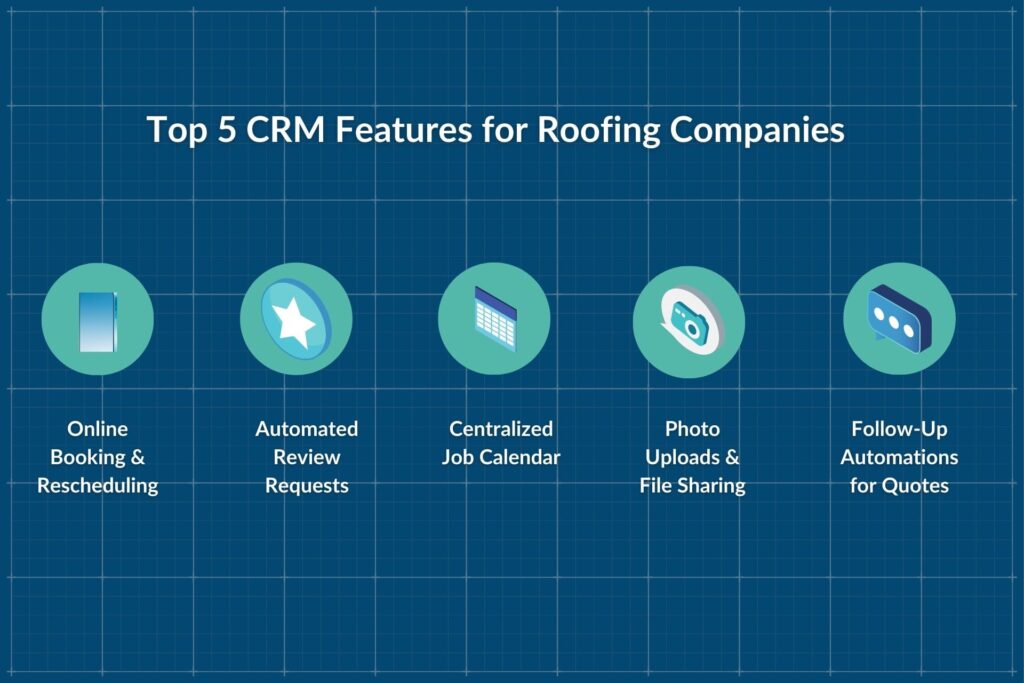
Not all roofing CRMs are created equal. Here are the must-have features that separate the best from the rest:
- Lead Management & Tracking – Capture leads from your website, Google Ads, or phone calls and organize them automatically
- Project Scheduling & Calendar Sync – Assign crews, track timelines, and avoid double-bookings
- Estimates & Proposals – Quickly generate branded, accurate quotes with built-in templates
- Mobile Access – Let your team access the CRM on-site or on the go
- Photo & Document Storage – Attach job photos, contracts, and inspection reports to each project
- Follow-Up Automation – Send automatic text or email reminders to leads and clients
- Reporting & Analytics – Track close rates, sales performance, and project profitability in real-time
When comparing solutions, look for a roofing contractor CRM that feels intuitive and works the way you do—whether you’re a solo roofer or running multiple crews.
Benefits of Using Roofing CRM

Choosing the right roofing CRM software isn’t just about staying organized—it’s about unlocking real business growth. Here’s how the right platform can help your company run smoother, convert more leads, and keep customers coming back.
Streamline Workflow and Project Management
From initial inquiry to final inspection, managing roofing jobs involves a lot of moving parts. A CRM helps you centralize everything—appointments, job status, crew schedules, materials, and notes—so your team stays aligned and projects stay on track. Fewer delays, fewer mix-ups, and more jobs completed on time.
Improve Customer Relationships and Satisfaction
Clear communication builds trust. With a CRM, you can automate status updates, appointment reminders, and follow-ups—keeping homeowners in the loop without adding to your workload. Every client gets a smooth, professional experience that makes your company stand out.
Enhance Sales and Marketing Efforts
Tired of leads ghosting you? A CRM helps you respond faster, follow up automatically, and track which campaigns actually bring in revenue. Whether you’re running ads, knocking doors, or relying on referrals, your CRM gives you the data and tools to close more deals with less effort.
Top 5 Best Roofing CRM Software Solutions
There are plenty of CRMs built for contractors, but very few built around the entire customer journey—from lead to job completion—with everything you need in one place. If you’re looking for a streamlined system that’s ready to go out of the box, here’s our breakdown of the best options.
1. Negosense CRM
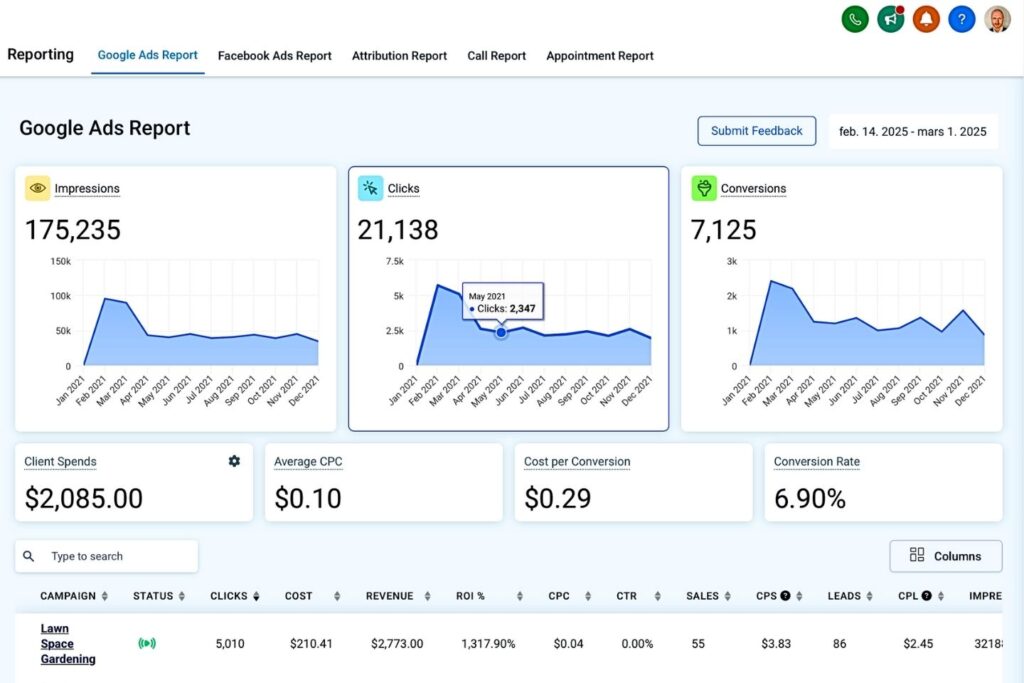
Overview: Built specifically for home service pros, Negosense CRM goes beyond standard features with an all-in-one system designed to capture more leads, automate follow-ups, manage jobs, and grow your business—without the tech headaches. The combination of marketing automation and field service automation makes it stand out among the best home service CRMs.
Key Features:
- Lead capture forms, landing pages, and built-in funnels
- Online booking, estimates, and automated follow-ups
- Project management and crew scheduling tools
- Integrated phone, SMS, email, and reputation management
- Mobile-friendly, high-converting website included
- Real-time dashboards to track leads, jobs, and revenue
Best for: Roofing companies that want a complete growth system—not just software. Perfect for those who need web design, CRM, marketing, and field ops under one roof.
Want to see it in action? Book a free demo today and we’ll set everything up for you.
2. JobNimbus
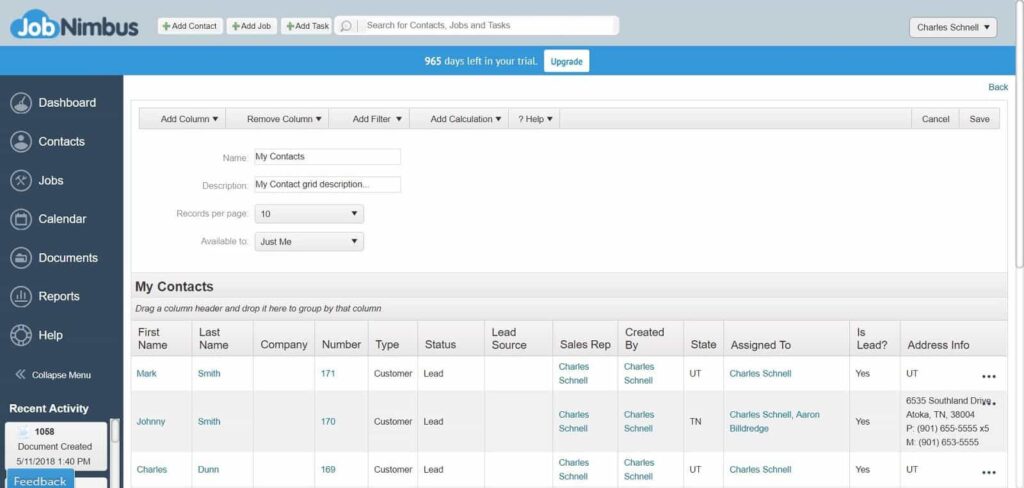
Overview: JobNimbus is a widely used CRM that helps roofing contractors track jobs, communicate with teams, and manage documents.
Key Features:
- Visual job boards
- Estimate and proposal templates
- QuickBooks and EagleView integration
- Mobile app for field use
Best for: Roofing companies that want flexibility and solid job tracking.
3. AccuLynx
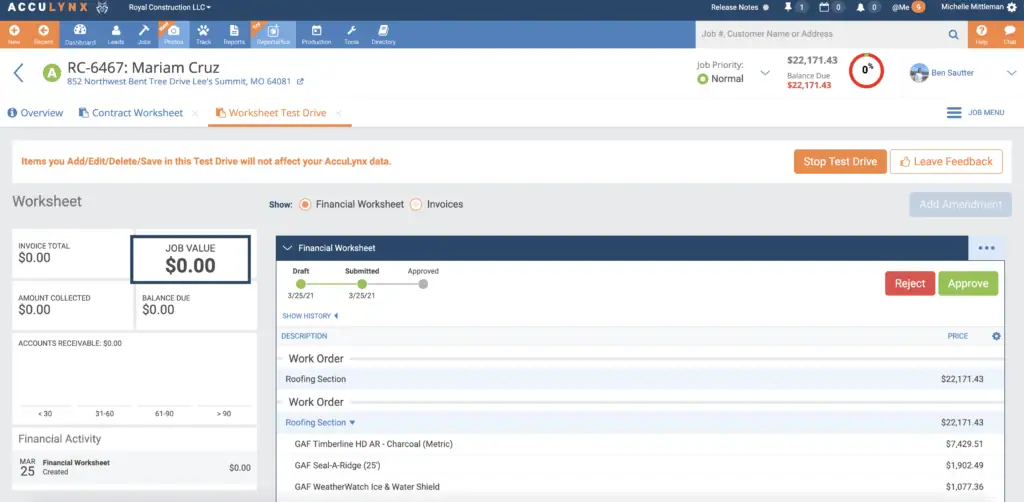
Overview: AccuLynx offers robust automation and sales tools for high-volume roofing companies.
Key Features:
- Measurement ordering
- Workflow automations
- Sales and production tracking
- Advanced analytics
Best for: Larger teams scaling fast and managing complex operations.
4. Roofr

Overview: Roofr focuses on sales speed, offering instant measurements and proposal tools.
Key Features:
- Fast roof reports
- Digital proposals with e-signature
- Customer portal
- Transparent pricing
Best for: Sales-driven roofers who prioritize quoting efficiency.
5. JobProgress
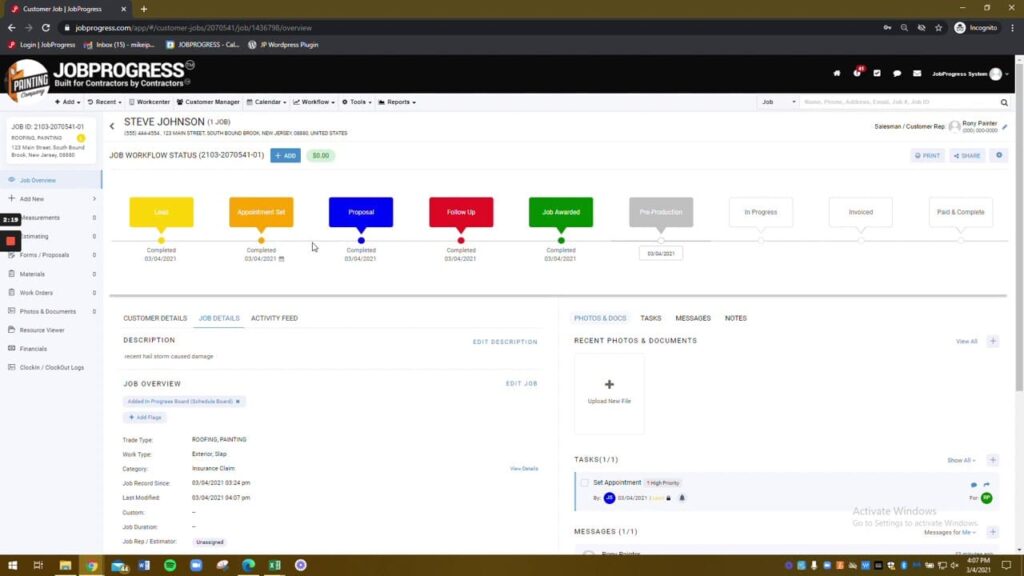
Overview: JobProgess is a business management platform that includes CRM tools and client-facing features.
Key Features:
- Workflow automation
- Sales pipeline visibility
- Team messaging
- Branded client portal
Best for: Contractors looking for a full suite of business tools.
How to Choose the Best CRM for Roofing Companies
With so many tools on the market, it’s easy to get distracted by flashy features or bloated platforms that don’t actually solve your day-to-day problems. The right roofing CRM should feel like an extension of your team—not another system to manage.
Here’s how to cut through the noise and find the right fit for your business:
Assess Your Business Needs
Start by mapping out where your current process breaks down. Is it slow follow-up? Missed appointments? Disorganized project tracking? Look for a CRM that directly addresses your biggest bottlenecks—whether that’s converting more leads, staying on top of jobs, or improving communication.
Some platforms focus heavily on job management, while others are better for sales automation or client communication. A well-rounded system (like Negosense) does all three—so you’re not forced to duct-tape multiple tools together.
Compare Features and Pricing
Don’t just compare checklists—look at how each feature works in practice. Can you customize your pipeline? Is the follow-up automation easy to set up? Does the CRM come with extra costs for things like a website, integrations, or support?
Many CRMs require expensive add-ons or third-party tools just to function fully. With Negosense, web design, automation, and lead capture are already built in, saving you time and serious money.
Look for User-Friendly Interfaces
Roofers don’t need a clunky enterprise system. You need speed, clarity, and a dashboard that makes sense from day one. Choose a CRM with a clean interface that your office staff and field crews can use without a learning curve.
Bonus if the system includes a mobile-optimized dashboard and real-time updates—so your team can stay productive whether they’re in the office or on-site.
Consider Customer Support and Training
Even the best tools fall flat if you don’t get help when you need it. Make sure the CRM provider offers responsive support, onboarding guidance, and training resources. Especially if you’re making the switch from spreadsheets or older systems, that onboarding experience matters.
Some platforms leave you to figure things out yourself. Others, like Negosense, include done-for-you setup and one-on-one onboarding—so you’re up and running without the stress.
Roofing CRM Comparison Table
| CRM Software | Best For |
| Negosense CRM | Roofers who want an all-in-one system that combines CRM, lead generation, marketing automation, and a high-converting website—fully set up for them. |
| JobNimbus | Small to mid-sized roofing companies that need flexible job tracking and simple integrations with accounting and measurement tools. |
| AccuLynx | Large or fast-growing teams that need advanced automation, robust sales tools, and detailed performance analytics. |
| Roofr | Sales-focused contractors who want to generate fast proposals using satellite measurements and streamline quoting. |
| JobProgress | Roofing businesses looking for a full business management platform with client portals, workflow tracking, and team collaboration tools. |
Integrating Roofing CRM with Other Tools
A great CRM doesn’t exist in a vacuum—it should work alongside the other tools that keep your roofing business running smoothly. From sales to scheduling to job management, integration is what turns your CRM from a digital Rolodex into a true growth engine.
CRM and Roofing Sales Software
Selling roofing services is all about speed and trust. Whether you’re offering residential re-roofs or chasing commercial contracts, time matters. Integrating your CRM with your sales tools helps you:
- Instantly generate and send estimates or proposals
- Track the sales pipeline without relying on memory or sticky notes
- Set automated follow-ups based on quote status
- Capture signed agreements digitally to move quickly to scheduling
Platforms like Roofr offer strong quoting tools, but if you’re using a separate estimating tool, make sure your CRM can sync with it—or better yet, includes those features out of the box (like Negosense CRM does).
CRM and Roofing Management Software
Once a job is won, execution begins—and your CRM should stay involved. Linking your CRM with your project management system ensures a seamless handoff from sales to production. This allows your team to:
- Assign crews and track job status in real time
- Share updates and photos with clients automatically
- Sync appointments and inspections with calendars
- Manage tasks and deadlines across teams
Some systems offer full project tracking. Others require add-ons or integrations to handle scheduling and job progress. If you’re looking to reduce complexity, choose a CRM that includes project and crew management features natively—so your workflow stays clean and centralized.
Conclusion: Put Your Roofing Business on Autopilot
The difference between a disorganized contractor and a thriving roofing company often comes down to systems. A purpose-built roofing CRM helps you simplify operations, close more deals, and deliver a better customer experience—without working longer hours.
Whether you’re just starting out or looking to scale, the right CRM can give you the structure and automation to grow sustainably.
Negosense CRM combines everything you need—lead capture, follow-ups, project tracking, and a high-converting website—into one streamlined platform.
Ready to upgrade your systems and grow with confidence?
Book your free strategy call and see how we can help you win more jobs with less stress.
Articles Related to Roofing CRM
Roofing Services
- Proven Strategies for Generating Commercial Roofing Leads
- The Ultimate Guide to Roofing Lead Generation
- Roofing Marketing Strategies That Actually Work in 2025
- The Ultimate Guide to Roofing SEO: How to Rank Higher and Get More Leads
- Roofing Google Ads: Generate More Leads with PPC for Roofers
- The Ultimate Guide to Roofing Website Design
General
- The Ultimate Guide to Digital Marketing for Home Services
- The Ultimate to Web Design for Contractors
- The Ultimate Guide to CRM for Home Services
- Lead Generation for Contractors: More Clients with Paid Ads
- Guide to SEO for Construction Companies
- How Content Marketing can Help Your Home Service Business Grow in 2025