SEO & Content Marketing
SEO for Pest Control Companies: Rank & Get More Leads (2025)

Sick of pouring money into ads that barely get the phone ringing?
Meanwhile, your competitors dominate Google — scooping up the leads that should’ve been yours.
In 2025, SEO isn’t just a “nice to have” for pest control companies. It’s the difference between consistent growth and watching your calendar sit empty. When someone searches “termite control near me” or “get rid of roaches fast”, you need to show up — or someone else will.
This complete guide will show you exactly how to use SEO to generate high-quality pest control leads without paying for every click. You’ll learn:
- Proven local SEO tactics built specifically for pest control
- Website and content strategies that both rank and convert
- Backlink techniques that build authority without spam
- The exact tools, fixes, and tips that actually work in 2025
Let’s break it all down — step by step — so you can finally outrank competitors and turn your website into a 24/7 lead engine.
What Is SEO for Pest Control and Why Does It Matter?
Search Engine Optimization (SEO) is the practice of helping your pest control business show up higher on Google when potential customers search things like:
- “bed bug exterminator near me”
- “termite treatment in [city]”
- “how to get rid of roaches fast”
Instead of paying for ads every time someone clicks, SEO helps your website earn organic visibility — meaning more leads without ad spend.
The Four Core Types of SEO (Tailored for Pest Control)
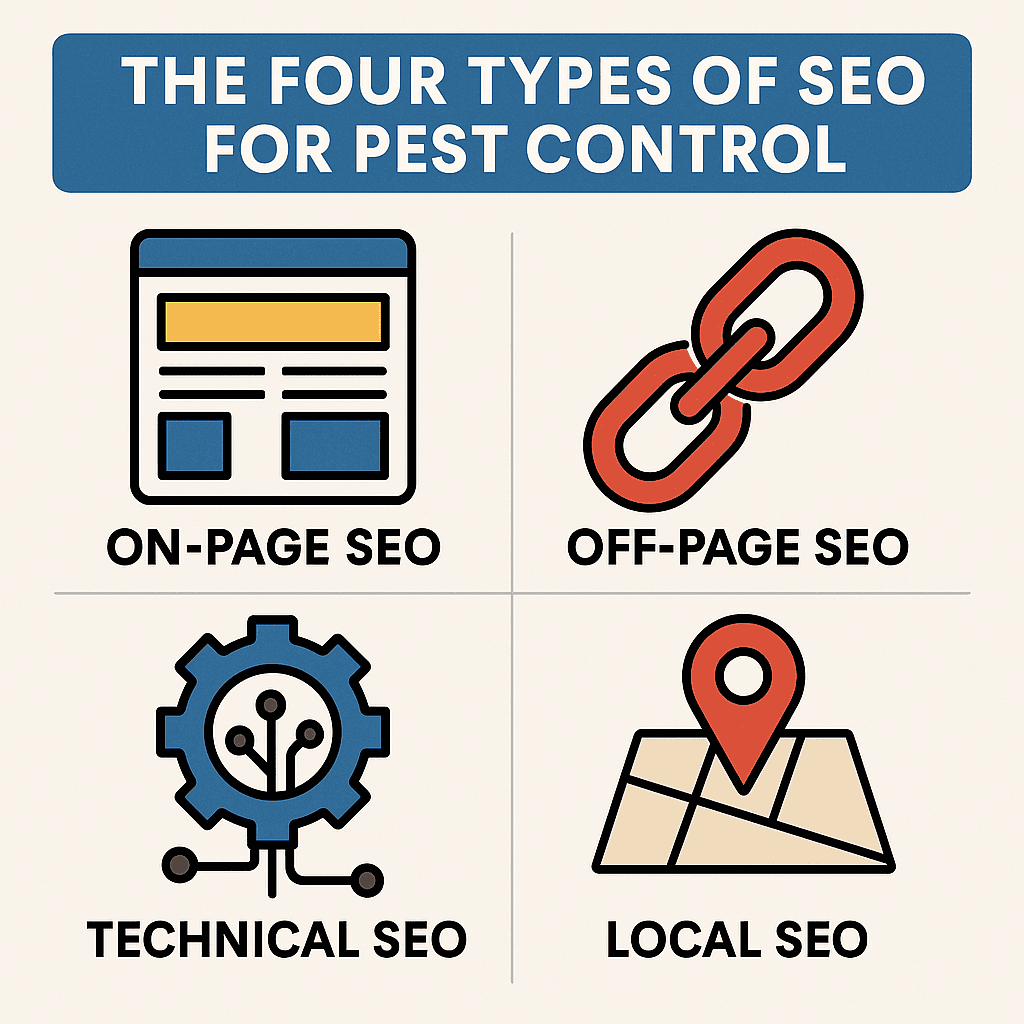
- On-Page SEO
Optimize your website content — think service pages, blog posts, and meta tags using keywords like “rodent control in Phoenix.” - Local SEO
Focus on Google Business Profile, online reviews, and citations to appear in Map Pack results when someone searches locally. - Off-Page SEO
Build authority by earning backlinks from home service directories, local blogs, and partner sites (e.g., realtors or property managers). - Technical SEO
Ensure your site is fast, mobile-friendly, and easy for Google to crawl. This includes things like structured data, clean URLs, and no broken links.
Why SEO Matters for Pest Control in 2025
- Local search = high-intent leads. People who Google “exterminator near me” aren’t window-shopping — they’re ready to book.
- Organic rankings build trust. Customers are more likely to click the top organic result than a paid ad.
- SEO compounds over time. Unlike ads, SEO builds momentum — the longer you do it right, the more traffic and leads you generate.
- Lower cost per lead. According to The Watchtower, SEO is one of the most cost-effective channels for pest control companies today.
In short: SEO helps you own your local market, attract better clients, and future-proof your business.
Local SEO for Pest Control: How to Dominate Your Service Area
When someone searches for “pest control near me,” Google shows local results first — not websites. That’s called the Map Pack, and it’s powered by your Google Business Profile (GBP).
If your pest control company isn’t showing up there, you’re leaving money on the table.
1. Optimize Your Google Business Profile (GBP)
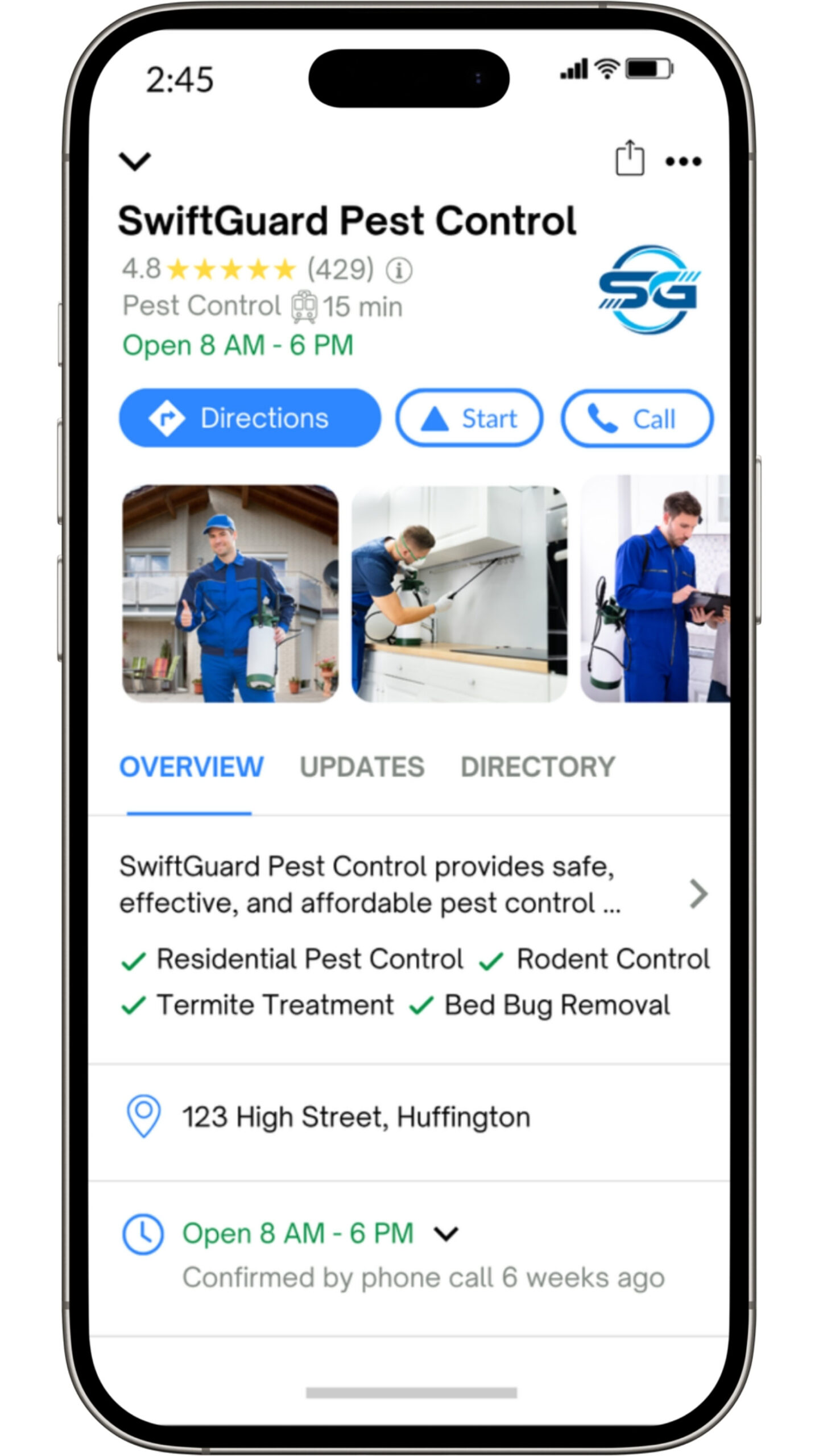
Your GBP is mission-critical for local visibility. According to Rhino Pest Control Marketing, frequent updates and detailed listings are now a ranking factor.
Checklist for a fully optimized GBP:
- Complete all business info (address, hours, phone, website, service areas)
- Choose accurate categories (e.g., Pest Control Service, Exterminator)
- Add original photos of technicians, vans, before/after treatments
- List your exact services (termite control, ant removal, etc.)
- Enable messaging and appointment links
- Post weekly updates or seasonal promotions
Pro tip: Use the Q&A section to answer common customer concerns (e.g., “Do you use pet-safe chemicals?” or “How soon can you come out?”)
2. Get More Reviews — And Respond to Them
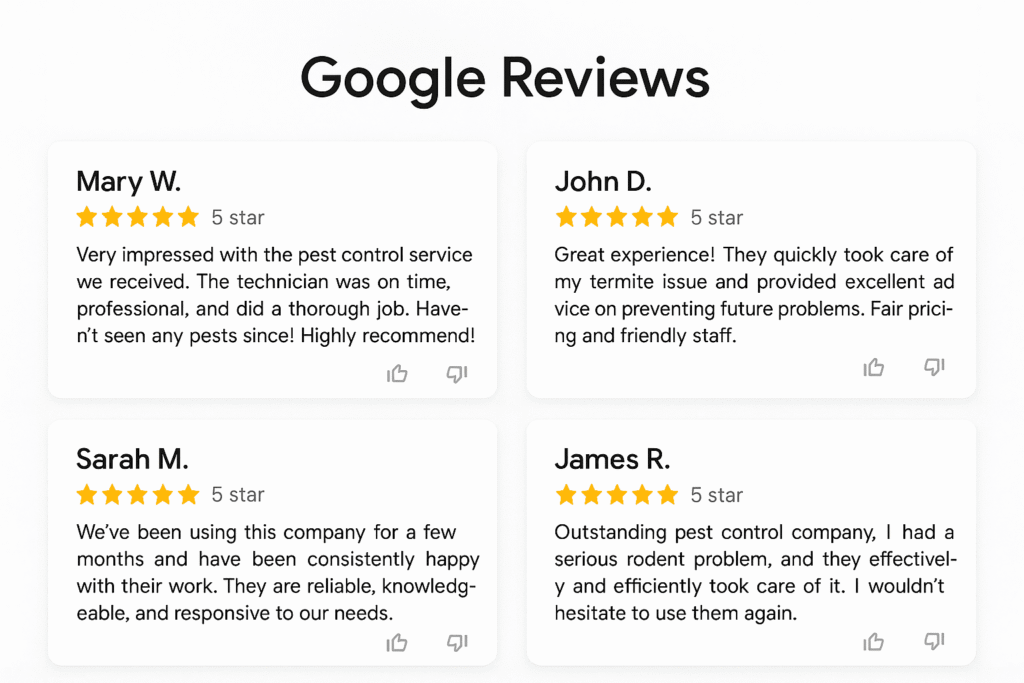
Reviews are the #1 trust signal for local SEO.
- After each job, ask customers to leave a review (via text or email)
- Automate review requests with your CRM or booking system
- Always respond — even to negative ones — with professionalism and empathy
According to LinkedIn research, active review management directly improves your Map Pack rankings.
“Over 99.9% of customers read reviews when shopping online.”
– Jobber Academy
3. Create Location Pages for Every City You Serve
If you serve multiple towns or service areas, don’t lump them into one page. Instead:
- Create a unique, keyword-optimized page for each city or region
- Include specific services offered there and local references
- Embed your GBP location if possible
This helps you rank organically for terms like:
- “termite treatment in Austin”
- “rodent control in Georgetown, TX”
And it improves the relevance of your site in Google’s eyes.
On-Page SEO for Pest Control Websites: Pages That Convert and Rank
Your website isn’t just a digital brochure — it’s a lead-generation engine. On-page SEO ensures each page is both Google-friendly and customer-friendly, helping you rank higher and turn visitors into booked jobs.
Let’s break down how to do it right.
1. Build a Strong Foundation: Your Core Pages
Every pest control website should have these SEO-optimized essentials:
| Page | Purpose |
| Homepage | Clearly explain what you do, who you serve, and your key services. Feature trust signals like reviews and certifications. |
| Service Pages | One page per core service (e.g., “Termite Control,” “Rodent Removal”) targeting specific keywords. |
| Location Pages | If you serve multiple cities, create a unique, optimized page for each. |
| About Page | Builds trust and supports brand searches. Include photos, credentials, and story. |
| Contact Page | Easy-to-use form, click-to-call buttons, map embed, and hours. |
2. Optimize Your Service Pages for Search & Conversions
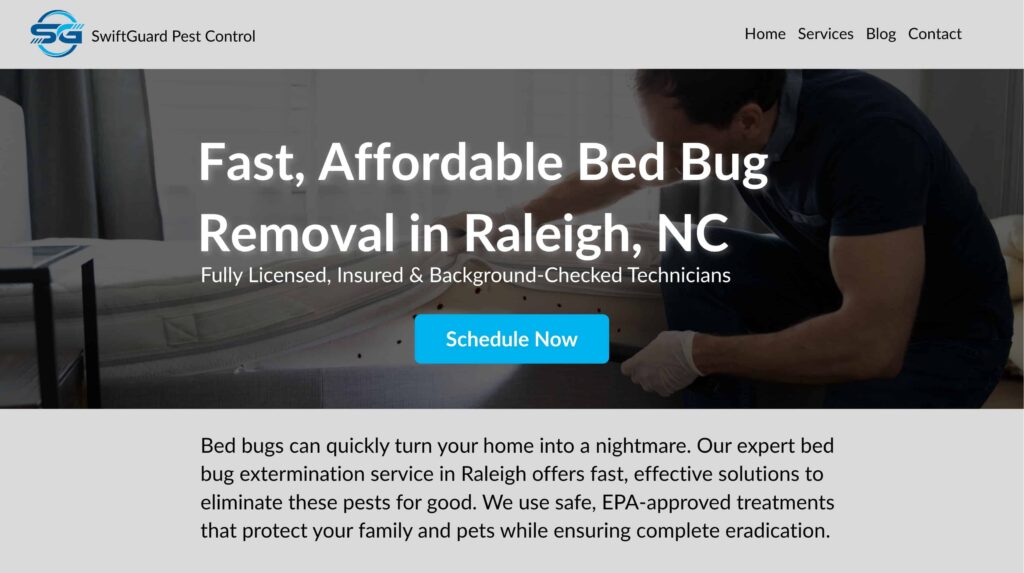
Google needs to understand what you do — and customers need to trust you enough to book.
Here’s how to structure a high-converting pest control service page:
Page Title:
Use your keyword + city — e.g., “Bed Bug Extermination in Raleigh, NC”
H1 Header:
Use a clear, customer-facing headline — e.g., “Fast, Affordable Bed Bug Removal in Raleigh”
Body Content (150–300 words):
CTAs:
Use “Schedule Now,” “Request a Free Quote,” or “Call Today” throughout the page
- Explain the problem and your solution
- Include key benefits and certifications
- Address FAQs (“Is your treatment safe for pets?”)
Image + Alt Text:
Include original photos if possible. Alt text like “termite damage in Raleigh home” helps with image SEO
Internal Links:
Link to blog posts, related services, and your contact page
3. Use a Blog to Build Authority and Rank for Long-Tail Keywords
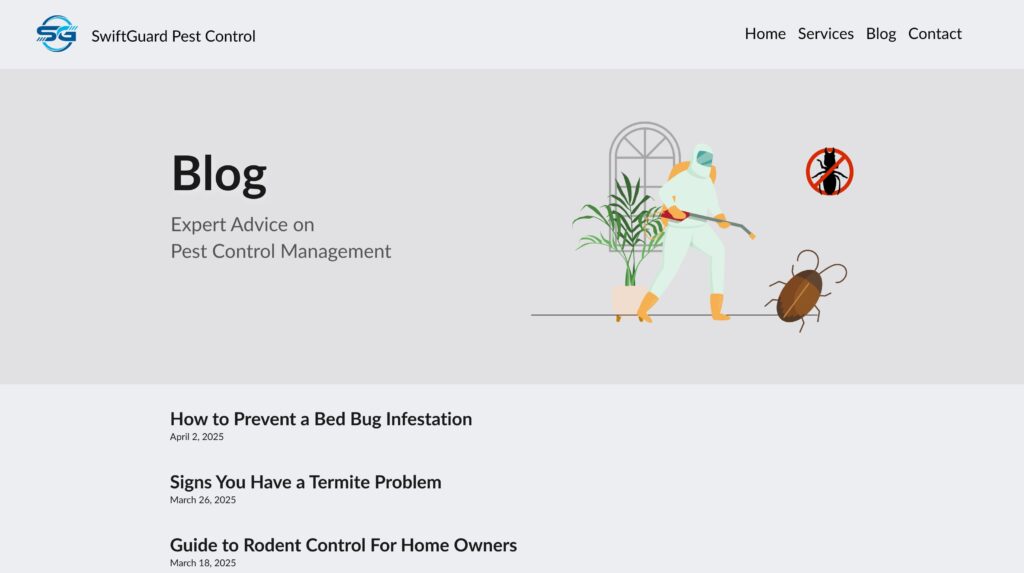
Google rewards topical authority — and blogs help you prove it.
Write content that addresses specific questions customers ask:
- “5 signs of a termite infestation in [city]”
- “How long does pest control take to work?”
- “Is DIY pest control worth it?”
You can also target seasonal content (e.g., mosquito prevention in spring) to boost local relevance.
According to Stigan Media, blog content helps pest control companies appear for dozens of long-tail searches — especially when tied to local topics.
Bonus Tip: Use your blog to interlink with service pages and build keyword relevance.
4. Make it Easy for Customers to Take Action
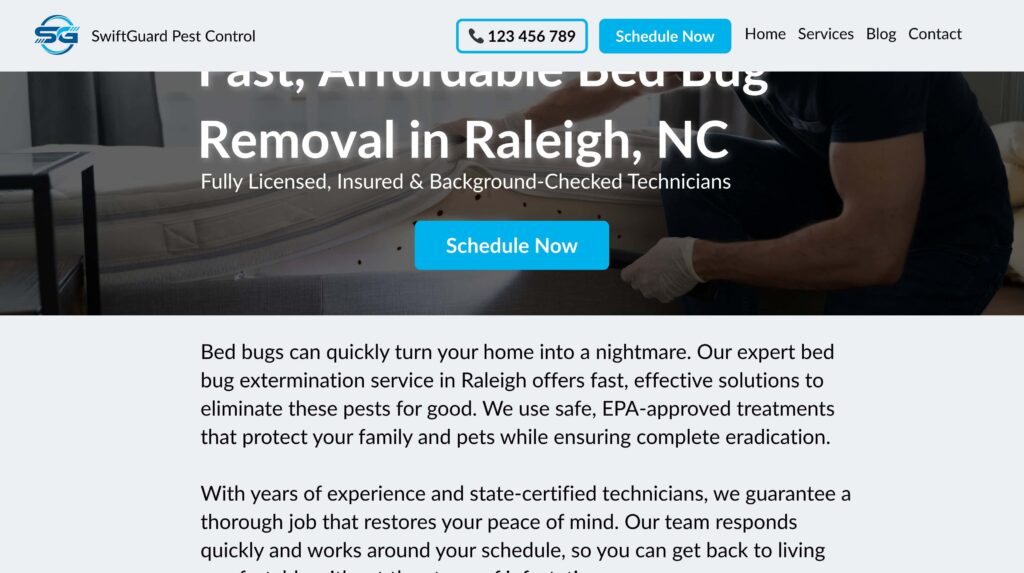
The average homeowner will bounce fast if your site is confusing or slow.
Here’s how to fix that:
- Use large buttons with clear labels (not “Submit,” but “Book My Inspection”)
- Add a sticky header with your phone number and booking link
- Use structured service sections (so readers can skim)
- Display reviews, certifications, and guarantees near CTAs
Technical SEO Checklist for Pest Control Companies in 2025
You can have the best content and a perfect Google Business Profile — but if your site is slow, broken, or hard to crawl, it won’t rank. Technical SEO is the foundation that makes everything else work.
Here’s what pest control companies need to get right in 2025:
1. Speed and Mobile Optimization (Core Web Vitals)
Why it matters:
More than 60% of pest control searches happen on mobile. Google now considers site speed and user experience ranking factors.
Use Google PageSpeed Insights to test your site.
Fixes to consider:
- Compress and resize large images (especially infestation photos)
- Use lazy loading for media-heavy pages
- Minimize scripts and plugins that slow you down
- Enable browser caching and file compression
2. Mobile-Friendly Design
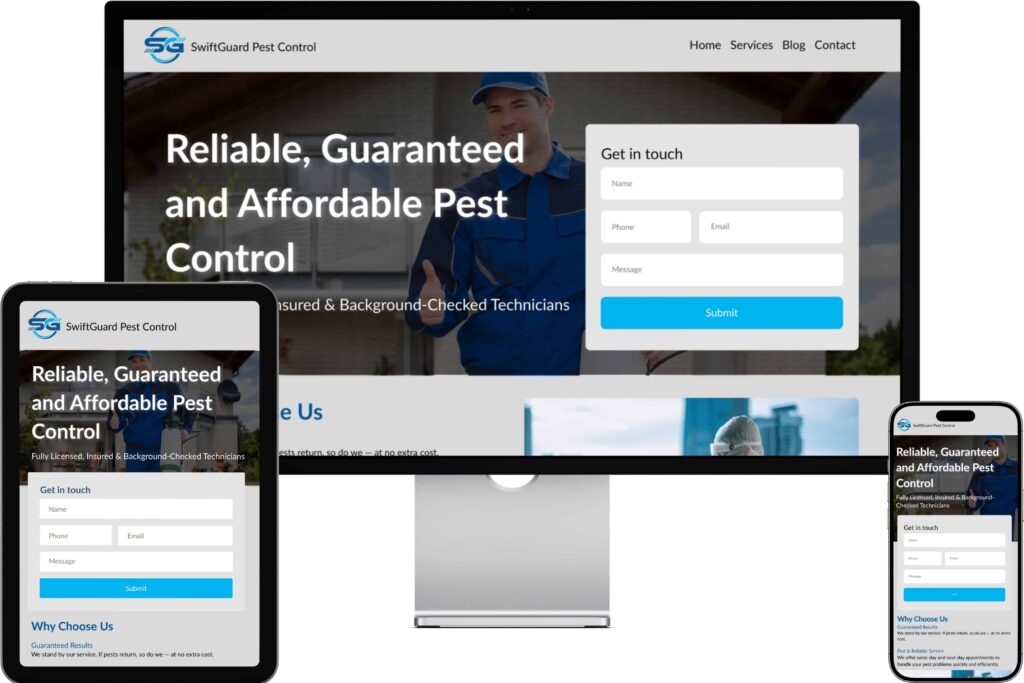
Checklist:
- Responsive layout on all devices
- Buttons are easy to tap (especially CTAs)
- Click-to-call phone number in header and footer
- Clear fonts and large text for readability
Use Google’s Mobile-Friendly Test to evaluate your site.
Your site should be easy for both users and Google’s bots to navigate.
3. Crawlability and Site Structure
Essentials:
- Clean URLs (e.g., /services/termite-control)
- Organized internal linking (service pages link to relevant blogs and vice versa)
- Submit your XML sitemap to Google Search Console
- Use a robots.txt file to block non-essential pages (e.g., admin panels)
Tip: Tools like Screaming Frog or Ahrefs can audit your internal link structure and crawlability.
4. Structured Data (Schema Markup)
Schema helps Google understand your business details and display rich snippets (stars, service area, FAQs).
For pest control companies, use:
- Local Business Schema (with @type: PestControl)
- Service Schema (for each core offering)
- FAQ Schema (for common questions on service pages or blog posts)
Use Google’s Structured Data Testing Tool to check your setup.
5. Eliminate Technical Errors
Errors silently hurt your rankings and frustrate users. Fix:
- 404 pages (broken links)
- Redirect chains
- Orphaned pages (no links pointing to them)
- Duplicate content or meta tags
Use tools like Semrush, Ahrefs, or Sitebulb to uncover and fix technical issues.
Bonus: Optimize for Voice Search and Conversational Queries
As more homeowners use voice assistants, your content should match how people speak — not just how they type.
Examples:
- “Who’s the best pest control company near me?”
- “How do I get rid of ants in my kitchen fast?”
Use tools like AnswerThePublic to find conversational phrasing and turn them into blog or FAQ content.
Link Building for Pest Control: How to Build Authority Without Spam
Backlinks — links from other websites pointing to yours — are one of Google’s most powerful ranking signals. But for pest control businesses, it’s not about quantity. It’s about quality, relevance, and trust.
Here’s how to build links the right way in 2025.
1. Understand Why Backlinks Matter
Each link to your website acts like a vote of confidence in Google’s eyes. The more trustworthy sites that link to you, the more likely Google is to rank you higher in search results.
But not all backlinks are created equal:
- A link from Angi is worth far more than one from a random blog
- A link from a local news outlet is more powerful than one from a global directory
- Buying backlinks or joining shady link farms can tank your rankings
2. Start with Easy Wins: Citations and Directories
Claim and optimize your business listings on:
- Google Business Profile (if you haven’t already)
- Yelp, Angi, HomeAdvisor, Thumbtack, Nextdoor
- Chamber of Commerce, BBB, and local business directories
- Industry-specific sites (e.g., PestWorld.org)
Make sure your NAP (Name, Address, Phone) is 100% consistent across all listings.
According to Relentless Digital, strong citations and local backlinks are foundational for pest control SEO — especially for service-area businesses without a physical storefront.
3. Partner With Other Local Businesses
You can earn real, high-quality backlinks through strategic partnerships:
- Real estate agents, home inspectors, and property managers
- HVAC, plumbing, and lawn care companies that don’t offer pest control
- Sponsor local events, donate to schools, or support charities (and ask for a link)
Example: “Proud pest control partner of [City] Real Estate Group – See why they trust us.”
4. Contribute Local Content and Build Ego Bait
- Write helpful blog posts that reference and link to other local businesses — then tell them you did. Many will reciprocate with a backlink.
- Offer to contribute a pest control tip or seasonal article to local publications or neighborhood blogs.
- Share before/after success stories with home service websites that feature case studies.
These links are hard to fake — which is exactly why Google values them.
5. Avoid These Common Mistakes
- Don’t buy backlinks from Fiverr or sketchy “SEO services.”
- Avoid blog comment spam and link exchanges that feel unnatural.
- Don’t use exact-match anchor text repeatedly (e.g., “best termite control in [city]”) — vary it naturally.
If it feels manipulative, it probably is. And Google’s algorithms will catch it.
Bonus Tip: Link Internally to Build Relevance
Internal links are often undervalued. You should:
- Link blog posts to relevant service pages
- Create “hub” pages (like this post) that connect to more detailed guides
- Use keyword-rich anchor text where it makes sense
This builds topical depth — and keeps visitors on your site longer.
Tracking Your SEO Performance and ROI
Doing SEO without tracking results is like spraying pesticide without knowing where the infestation is. To get real value from your SEO efforts, you need to measure what’s working — and double down on it.
Here’s how pest control companies can track SEO effectively without needing to be data nerds.
1. Track Keyword Rankings
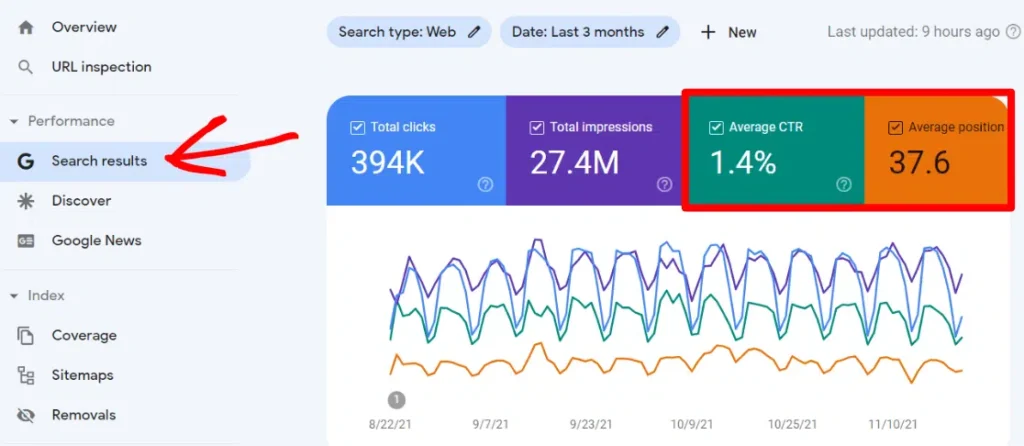
Your goal isn’t just to “do SEO” — it’s to rank for high-intent search terms like:
- “termite control [city]”
- “bed bug removal near me”
- “exterminator open now”
Use tools like:
- Semrush or Ahrefs for ranking reports
- Ubersuggest for a budget-friendly option
- Google Search Console (free) to see what queries drive clicks
Look for growth in rankings and impressions. A 50% increase in local keyword visibility often translates to more form fills and calls.
2. Monitor Website Traffic and Behavior
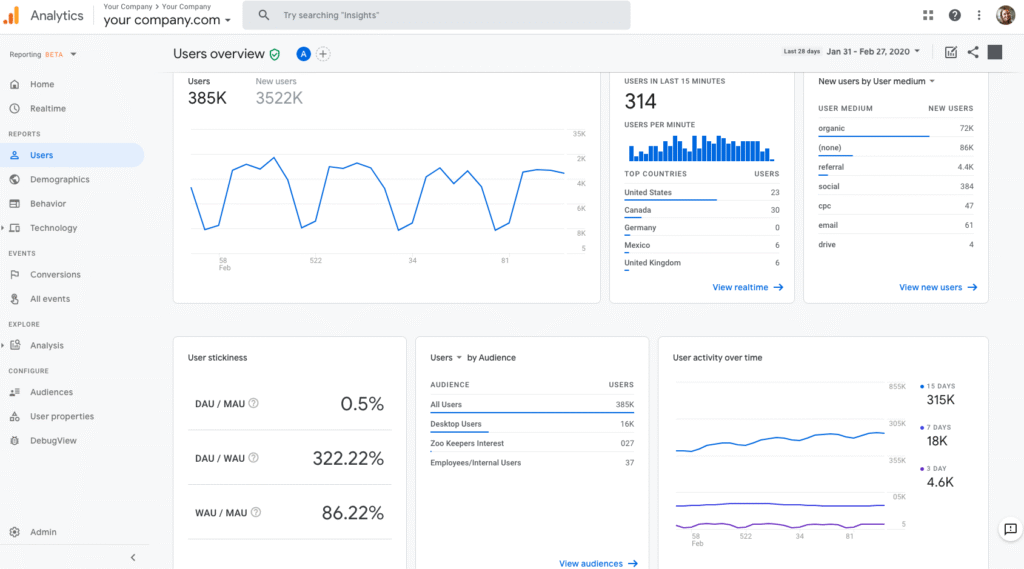
Use Google Analytics 4 (GA4) to measure:
- Total visitors
- Top landing pages
- Time on page and bounce rate
- Conversion paths (how users become leads)
Look for:
- Which blog posts or service pages drive traffic
- Where people drop off (maybe the contact form is too long)
- What content converts best
Pro tip: Set up conversion events (like “Form Submit” or “Phone Call Click”) in GA4 to measure true lead generation.
3. Track Leads and ROI
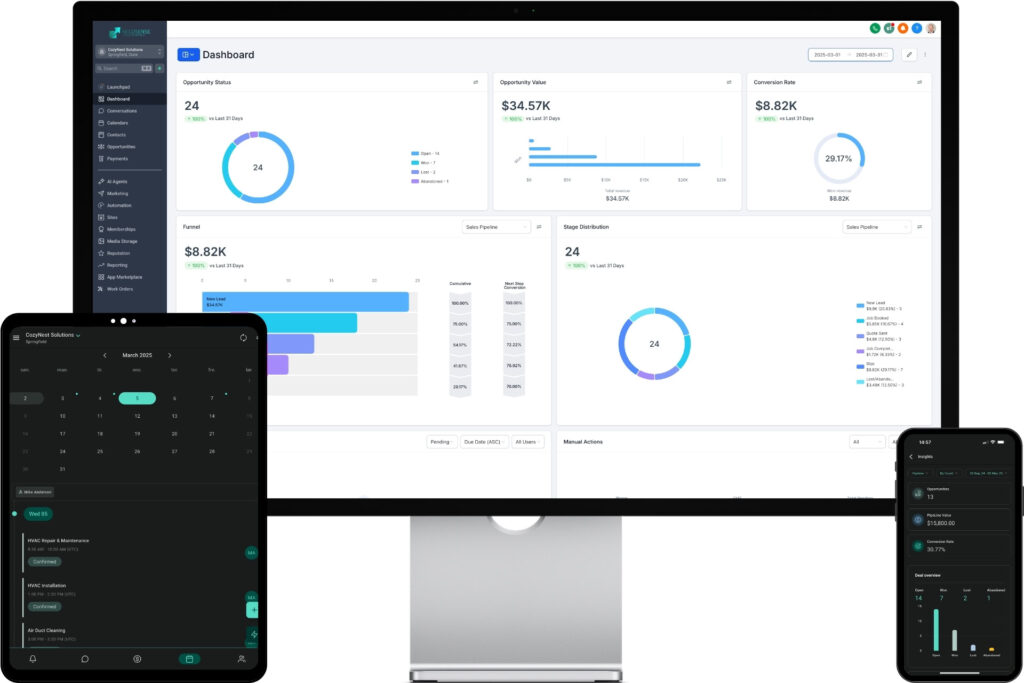
Traffic is great. But leads and booked jobs are what actually matter.
Track:
- How many calls or form fills come from SEO
- Which pages they landed on before converting
- Close rates on those SEO-driven leads
If you’re using a CRM like GoHighLevel or Jobber, this gets much easier — you can even tag leads by source (“Google Organic”) and see your close rate over time.
4. Watch Competitors and Industry Trends
Your rankings are always relative to competitors. If someone new moves into your area and starts blogging or building backlinks aggressively, you’ll feel it.
Keep an eye on:
- Their GBP updates and review count
- Their website content and service areas
- Tools like Surfer SEO or Visualping can alert you to major site changes
Staying ahead in local SEO isn’t just about optimizing — it’s about outpacing.
Should You Hire a Pest Control SEO Agency or Do It Yourself?

This is where many pest control owners get stuck. You know SEO matters — but should you learn it yourself, delegate it to your office manager, or hire a professional agency?
Here’s how to make the right call based on your budget, time, and goals.
When It Makes Sense to Do It Yourself
DIY SEO can be a great option if:
- You’re just starting out and don’t have the budget for an agency
- You want to understand how marketing works before outsourcing
- You’re comfortable using tools like Google Search Console, PageSpeed Insights, or WordPress
Where DIY is strong:
- Writing basic blog content
- Setting up and optimizing your Google Business Profile
- Claiming online directory listings
- Asking for and managing reviews
- Creating simple service and location pages
With the right guidance (like this post), you can build a solid SEO foundation without spending a dime on ads.
When to Hire a Pest Control SEO Expert
An agency or consultant is a better fit if:
- You’ve hit a plateau in lead volume and need to scale
- You don’t have the time or desire to manage SEO in-house
- Your competitors are ranking higher despite worse service
- You want a complete, done-for-you strategy — including web design, backlinks, content, and reporting
According to The Watchtower, SEO becomes even more valuable when combined with CRO (conversion rate optimization) and long-term reputation management — services typically offered by specialized agencies.
What to Look for in an SEO Partner
Not all SEO providers are created equal. Here’s how to separate the pros from the hacks:
- They ask about your business goals and service areas
- They provide clear reporting (not vanity metrics like “impressions”)
- They create content specific to your services and city
- They avoid black-hat tactics like link buying or keyword stuffing
- They talk like real people, not robots or gurus
Red flags to avoid:
- “Guaranteed #1 rankings”
- One-size-fits-all SEO packages
- No case studies or examples
- Vague or confusing communication
- Outsourcing everything overseas without oversight
Hybrid Option: Get Help With Setup, Then Take Over
Some pest control companies do well by hiring an expert to set everything up, then taking over routine blogging, reviews, and updates in-house.
This gives you:
- A professional foundation
- Long-term savings
- Control over your messaging and brand voice
Summary
If you’ve got the time and curiosity, DIY SEO is absolutely doable — especially with tools and templates. But if your growth depends on fast results or you’re in a competitive area, it’s often worth bringing in a pro.
Want help implementing what you’ve read so far?
We offer setup, strategy, and consulting built specifically for pest control companies. [Reach out here →]
Case Study: How One Pest Control Company Tripled Organic Leads in 4 Months
Note: This is a fictionalized case study based on real strategies we’ve implemented for service businesses.
The Company
GreenShield Pest Control
- Location: Charlotte, NC
- Team size: 7 technicians
- Main services: termite treatments, rodent control, quarterly home plans
- Before SEO: Getting most leads from paid ads, low website traffic, poor Google visibility
The Challenges
- Ranked on page 3 for “termite control Charlotte”
- Only 3 Google reviews and unclaimed Google Business Profile
- Website was slow, not mobile-friendly, and had no dedicated service pages
- No blog content and zero backlinks from reputable sites
The Strategy
We implemented a full SEO overhaul:
| Area | Action Taken |
| Local SEO | Claimed & optimized GBP, added real photos, 20+ new 5-star reviews |
| On-Page SEO | Built new service pages for each pest type + city-specific landing pages |
| Content | Published weekly blog posts targeting long-tail keywords like “How to spot termite droppings” |
| Technical SEO | Improved site speed by 62%, fixed crawl errors, added schema markup |
| Backlinks | Earned links from 3 local partners and 2 home services directories |
The Results (4 Months Later)
| Metric | Before | After |
| Organic Traffic | ~180/month | 620+/month (+244%) |
| Google Business Profile Actions | ~30/month | 110+/month |
| Leads from Website | 10–15/month | 38–45/month |
| Google Rankings | Page 3 → Top 3 for 7 key terms |
They now rely less on paid ads, and their website is generating consistent, qualified leads every week.
Quote from the Owner (Fictional)
“I didn’t think SEO would work this fast. We’re booking jobs straight from Google — and even got a $5K quarterly contract through one of our blog posts.”
— Mark D., Owner of GreenShield Pest Control
This shows how smart, localized SEO can create real business outcomes, not just vanity metrics.
Final Thoughts: Outranking Competitors with Smarter SEO in 2025
If you’ve made it this far, you’re already ahead of 90% of pest control businesses in your area.
You now know:
- What SEO for pest control is, and why it matters more than ever in 2025
- How to dominate local search with your Google Business Profile, reviews, and location pages
- How to build a website that ranks and converts using smart on-page SEO
- The behind-the-scenes technical fixes that improve rankings and user experience
- How to build real authority through local backlinks and partnerships
- How to track your SEO like a pro and decide whether to DIY or hire help
And most importantly — how pest control SEO, when done right, leads to real growth in phone calls, form fills, and booked jobs.
SEO isn’t about tricks — it’s about being the best answer in your local market. And Google is rewarding businesses that truly deliver.
Ready to Turn Your Website Into a Lead-Generating Machine?
You don’t need to waste another dollar on ads that barely convert — or keep wondering why your competitors are ranking above you.
If you’re serious about growing your pest control business in 2025, we can help you:
Set up your local SEO the right way
Launch a high-converting website with drag-and-drop tools
Automate reviews, lead follow-up, and calendar bookings
Get real results without long-term contracts or agency fluff
Book a free strategy call or request a custom quote today — and let’s build a system that fills your calendar on autopilot.
FAQ: SEO for Pest Control Companies
1. What is pest control SEO?
Pest control SEO is the process of optimizing your website and online presence to appear higher in search results when people look for services like “exterminator near me” or “termite treatment in [your city].” It helps you attract organic (free) traffic and generate leads without relying solely on paid ads.
2. Why is SEO important for pest control businesses in 2025?
In 2025, more people than ever turn to Google to find local services. If you’re not ranking on the first page, you’re invisible. SEO gives you long-term visibility, builds trust with potential customers, and reduces your cost per lead over time.
3. How long does it take to see SEO results?
Most pest control companies start seeing measurable SEO improvements in 3–6 months. The timeline depends on your starting point, competition, and how consistent you are with optimization efforts.
4. What are the most important SEO strategies for pest control companies?
Key strategies include optimizing your Google Business Profile, targeting local keywords, publishing helpful service content, getting local backlinks, and ensuring your website loads fast and looks great on mobile.
5. Can I do pest control SEO myself, or should I hire someone?
You can start with the basics yourself — like optimizing your Google profile and creating local service pages. But for long-term success and technical SEO (like backlink building and site audits), many companies benefit from hiring a professional.
6. How is local SEO different from general SEO?
Local SEO focuses on ranking in your specific service areas (e.g., “pest control in Austin, TX”), while general SEO might target broader keywords. Local SEO uses tools like Google Maps, local directories, and geo-targeted content to drive nearby leads.
7. What kind of content should I create to improve SEO?
Create pages for each service (e.g., rodent control, bed bug removal), blog posts answering common pest questions, and location-specific content. This helps you rank for a wider range of keywords and builds authority.
8. Will SEO replace my need for ads?
SEO can significantly reduce your reliance on ads over time, but many pest control companies use both. SEO delivers long-term value, while ads provide quick traffic. Together, they create a balanced lead generation strategy.
9. What tools can help with pest control SEO?
Tools like Google Search Console, Ahrefs, BrightLocal, and Yoast SEO can help track rankings, audit your site, and find keyword opportunities. Many are beginner-friendly and affordable.
10. Is SEO worth the investment for a small pest control company?
Absolutely. SEO levels the playing field. Even small companies can outrank big names with the right strategy — and turn their website into a 24/7 lead machine without breaking the bank.