Paid Ads & Lead Generation
How to Get Quality Contractor Leads in 2025

If you’re a contractor, you already know the hardest part of growing your business isn’t doing the work — it’s getting the work.
You’ve probably tried buying leads from directories, dabbling in Facebook ads, or asking clients to “spread the word.” And maybe some of it worked… a little. But if you’re relying on luck or low-quality leads to fill your calendar, you’re gambling with your business.
The truth is, getting consistent, high-quality contractor leads doesn’t have to be complicated — but it does require the right strategy, the right tools, and a system that works for your business (not a one-size-fits-all lead service that resells the same contact to five other contractors).
This guide breaks down what actually works in 2025 — and how to build your own lead generation system that brings in exclusive, high-intent leads without chasing them down.
Why Getting Quality Contractor Leads Feels So Hard

Most contractors struggle with lead generation for one simple reason: they’re relying on systems that were never built with their business in mind.
Lead resellers and “get leads fast” websites promise volume, but what they deliver are shared leads, price shoppers, and tire-kickers. You’re not just competing with other contractors — you’re often competing on the same exact lead.
Here’s what that really means:
- You’re the third or fourth person calling the same prospect.
- You waste hours on dead-end conversations.
- Your close rate tanks, even if your service is excellent.
And the worst part? You’re paying for it.
Getting quality contractor leads is about more than just contact info. It’s about finding people who actually want your service, in your service area, and are ready to buy. That means your lead generation needs to be:
- Targeted
- Automated
- Built for conversion
Otherwise, you’re stuck playing the volume game — and that game burns time, energy, and your marketing budget.
In the next section, we’ll break down what lead generation for contractors really means — and how to separate the fluff from what works.
What Is Contractor Lead Generation — and How Does It Actually Work?

Let’s strip the buzzwords away.
Lead generation is simply the process of attracting potential customers and getting them to raise their hand — whether by calling you, filling out a form, or booking an estimate. But not all lead generation is created equal.
When it comes to contractors, there are three main approaches:
1. DIY Marketing (The Hustle Method)
You set up a website, post on social media, run your own ads, maybe try some SEO. It’s time-consuming, and unless you know what you’re doing, it’s hit-or-miss. The upside? Full control and no middlemen. The downside? It can take months (or years) to figure out what actually works.
2. Buying Leads from Third Parties
Sites like HomeAdvisor, Thumbtack, or Bark sell you “leads” — but here’s the catch: they sell them to your competitors too. These leads are shared, unfiltered, and usually price shopping. You’ll burn through them fast with little to show for it. For many contractors, this becomes a money pit.
3. Building Your Own Lead Generation System
This is the sweet spot. You invest once to build a system that brings in your own exclusive leads — through a high-converting website, automated follow-ups, and targeted local marketing. It’s your brand, your CRM, your pipeline. No chasing, no competition, no commissions.
Contractor lead generation isn’t about doing more — it’s about doing it smarter. Instead of spreading yourself thin or paying for leads that go nowhere, you build a system designed to:
- Attract the right prospects
- Capture their info
- Follow up automatically
- Close more jobs with less effort
And that’s exactly what we help contractors do — from setup to execution.
Next, let’s break down the best methods to generate high-quality contractor leads in 2025 — the kind that actually turn into paying jobs.
The Best Lead Generation Methods for Contractors in 2025
Let’s get tactical.
You don’t need 20 different strategies — just a few that are proven to work when done right. Here are the five lead generation methods contractors are using right now to fill their calendars without relying on referrals or random luck:
1. Google Business Profile + Local SEO
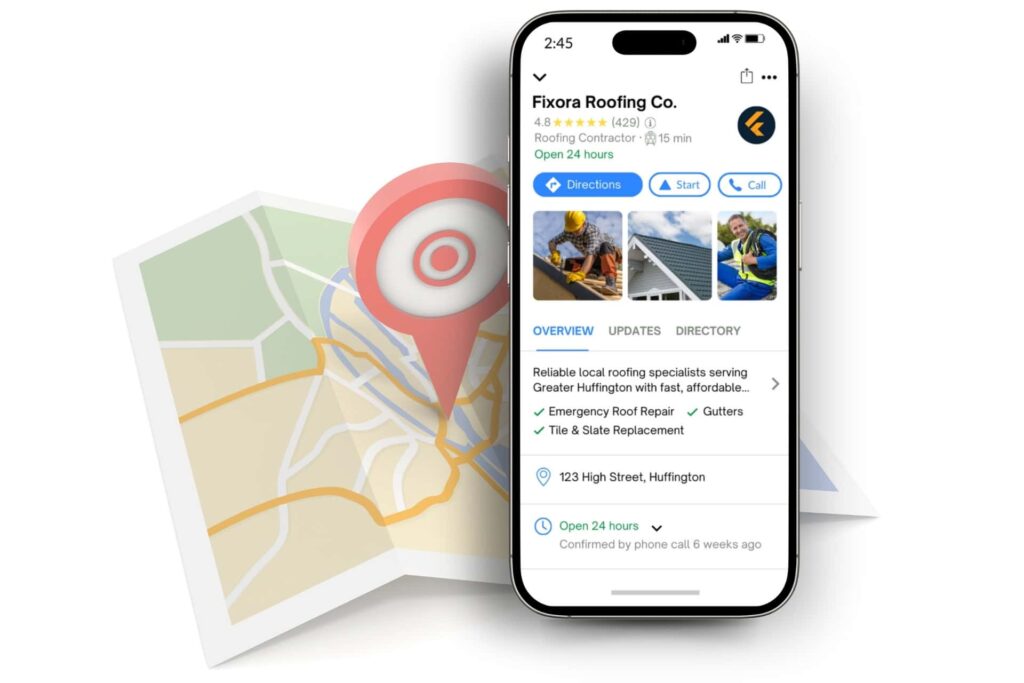
If you’re not showing up in the map pack when someone searches “contractor near me,” you’re invisible.
Optimizing your Google Business Profile and targeting local keywords can put you in front of ready-to-hire homeowners in your area. Think of it as owning digital real estate in your service zone — once you’re ranked, leads keep coming.
Want to dominate local search? Check out this guide to contractor SEO.
2. A Website That Actually Converts

Most contractor websites are glorified brochures. They look decent, but they’re not designed to turn visitors into leads.
What you need is a site with:
- Clear calls to action
- Online booking or estimate request forms
- Trust signals (reviews, certifications, before/after photos)
It’s not just about looking professional — it’s about capturing interest and making it easy to take the next step.
Want to see what that looks like? Here’s what a contractor website should include.
3. Paid Ads with Landing Pages
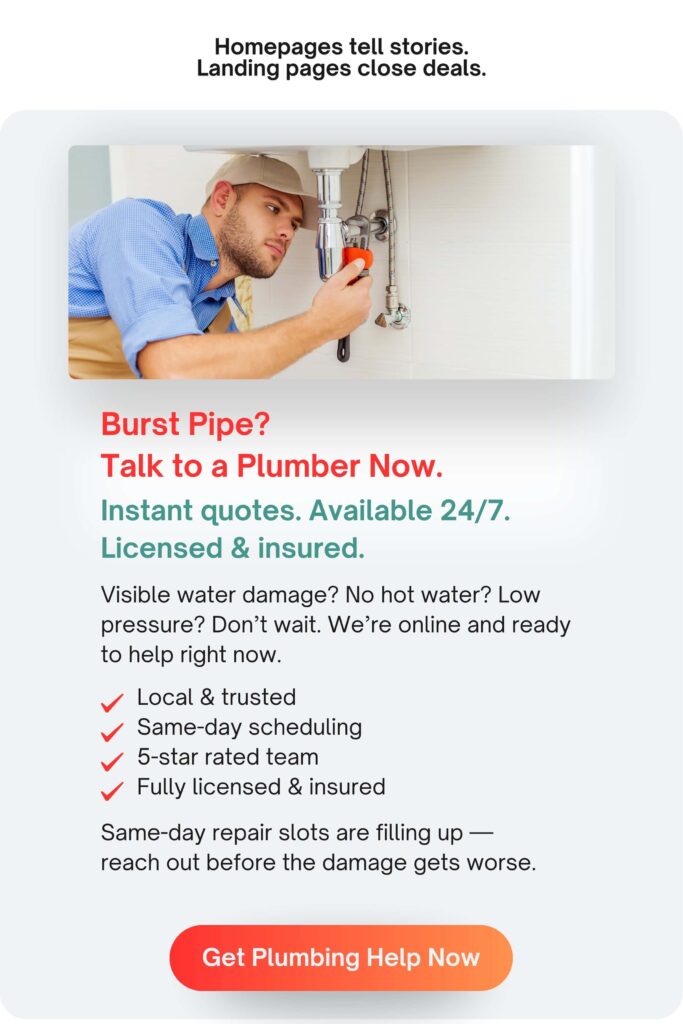
Running Google or Facebook Ads without a proper landing page is like buying billboard space that sends people to a dead-end street.
A well-targeted campaign with a landing page that speaks directly to your service area and niche can drive calls and form fills fast — especially for seasonal or high-ticket jobs.
The key? Test, track, and optimize. Or let someone do it for you.
4. Review & Reputation Automation
Happy customers can be your best marketing asset — but only if you collect and showcase their reviews.
Set up automations that ask for Google Reviews after each job. This not only builds trust with future customers but also boosts your local rankings.
5. Referral Partnerships (The Right Way)
Old-school word-of-mouth is great — but it’s even better when you systemize it.
Connect with real estate agents, property managers, or other trade pros in your area. Offer referral incentives. Track everything through your CRM so it doesn’t fall through the cracks.
Most contractors don’t need more noise — they need a tight, predictable lead flow. That’s why we build these strategies into a single, done-for-you system.
In the next section, we’ll dig into whether hiring a lead generation company is worth it — and what to look for if you go that route.
Should You Use a Lead Generation Company?
If you’ve ever paid for leads through a third-party service, you know the results can be… mixed at best.
Lead generation companies promise volume — and they often deliver it. But volume doesn’t equal value. The real question is: Are the leads they send actually worth your time?
Here’s what to consider before signing up:
1. Are the Leads Exclusive?
Many platforms sell the same lead to multiple contractors. That means you’re racing to be the first call — or offering the lowest price just to compete. If you’re not the first to respond, you’re likely wasting your time.
2. Do You Know Where the Leads Are Coming From?
Transparency matters. Are they running paid ads under your business name, or under theirs? Are leads opting in to hear from you, or are they just getting spammed by whoever paid for access?
If you’re not in control of the messaging, the lead isn’t really yours.
3. Can You Track the ROI?
If you’re paying $50–100 per lead, you need to know how many turn into jobs. Some services don’t give you reporting, just a list of phone numbers. That’s not a system — it’s a gamble.
4. Is There Any Real Support?
What happens if you get bad leads or fake contact info? Do they replace them, or is it just part of the cost of doing business?
A good partner should care about your close rate — not just how many leads they can push your way.
Bottom line: If you’re going to pay for leads, you need visibility, quality, and some level of ownership in the process. Otherwise, you’re just fueling someone else’s brand — not building your own.
Next, let’s talk about something better: how to build your own lead generation engine — one that works for your business, on your terms.
Lead Services vs. Lead Systems: What’s Better in the Long Run?
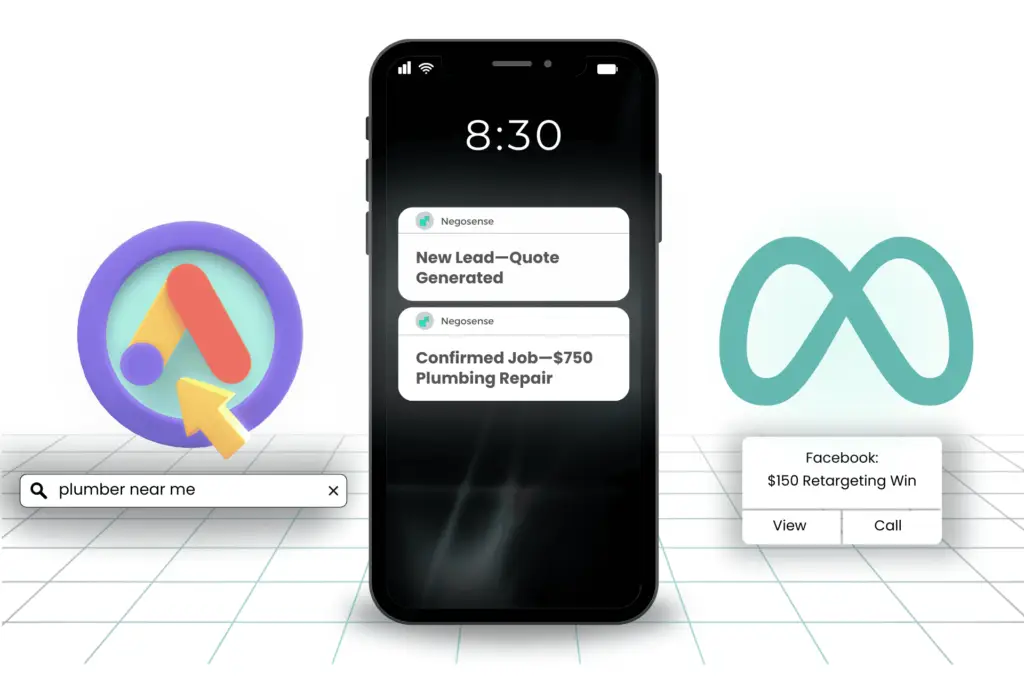
It’s easy to get pulled in by lead services that promise quick results. But short-term wins can come at a long-term cost.
So let’s make the distinction clear:
Lead Services = You’re Renting Attention
When you pay for leads, you’re essentially renting traffic and hoping some of it converts. The lead isn’t really yours — it came through someone else’s funnel, under someone else’s brand. You have no control over what happens before or after they contact you.
If the service shuts down, raises prices, or starts sending weaker leads? You’re back at square one.
Lead Systems = You Own the Pipeline

A lead system is different. It’s built around your business — your website, your CRM, your ads (if you run them), and your automations.
When someone contacts you, they already know who you are. The messaging is clear. The follow-up is handled. You’re not scrambling — you’re closing.
It takes more intention to build, but it pays off in predictable, high-quality opportunities and long-term growth.
Here’s what a real lead generation system gives you:
- Control over your lead flow and follow-up
- Consistency, not just spikes of activity
- Brand equity, because every lead came through your business
- Data you can use to improve and scale
Most lead services are built to keep you dependent. A real system is built to set you free.
That’s why our clients don’t just get software — they get a complete setup that ties everything together and works in the background while they focus on running jobs.
Next, let’s take a look at how this applies specifically to the construction world — and what actually works to generate high-value construction leads in 2025.
Construction Lead Generation: What Works in 2025
Lead generation for construction companies isn’t about flashy tactics — it’s about reaching the right clients with the right message at the right time.
Whether you’re a general contractor, remodeler, or builder, you’re not just competing on price. You’re competing on trust, credibility, and professionalism. Here’s what’s working now:
1. Targeted Local Marketing
General “contractor” ads are too broad. If you want qualified leads, your messaging needs to match the job type, location, and client intent.
For example:
- “Whole-home remodels in LA County”
- “Licensed builder for new homes in Dallas”
Hyper-specific targeting reduces junk leads and attracts homeowners with real projects — not browsers.
2. Streamlined Estimate Requests
Your intake process matters. If someone has to call, wait for a callback, or explain their project twice, they’ll move on.
Smart contractors are using online forms that:
- Let homeowners upload photos or plans
- Pre-qualify the lead based on budget or project scope
- Trigger instant follow-up through automated SMS or email
3. Commercial vs. Residential Strategy
Commercial construction leads come through different channels than residential. LinkedIn outreach, referral networks, and industry directories can work — but only if paired with a strong online presence and follow-up process.
For residential, Google dominates. If you’re not running Google Local Services Ads, you’re missing out on high-intent traffic.
4. Job Pipeline Visibility
The best lead gen in the world won’t matter if your internal processes are messy.
Construction companies that close more deals usually have:
- A clear system for tracking leads → estimates → approvals → jobs
- Automated reminders and status updates for clients
- A single dashboard to manage it all
Want to see how that works? Here’s how our CRM helps contractors manage leads and jobs in one place.
This isn’t about chasing every lead — it’s about attracting the right ones and having the systems to turn interest into booked work.
In the next section, we’ll break down what actually makes a contractor lead generation partner worth your money — and how to spot the ones that aren’t.
What Makes the Best Lead Generation for Contractors?
Not all lead gen providers are created equal. Some flood your inbox with weak leads and call it a day. Others promise results but leave you doing the heavy lifting.
The best lead generation setups — whether you’re working with a provider or building your own — share a few non-negotiable traits.
1. Exclusive Leads, Every Time
If the same lead is going to multiple contractors, it’s a race you don’t want to run. The best systems deliver exclusive leads — people who opted in specifically for your business, not just “a contractor.”
2. Transparent Lead Sources
Where are the leads coming from? Are they the result of targeted ads, organic traffic, or recycled inquiries from some directory?
If you don’t know the source, you can’t control or improve the results. The best partners show you exactly how traffic is generated — and how leads move through your funnel.
3. Integration with Your Workflow
A steady stream of leads means nothing if they fall through the cracks.
Great lead generation is tied into your daily operations:
- New lead? Instant notification and auto-response.
- Quote sent? Automated follow-up.
- No reply in 3 days? Reminder goes out automatically.
That kind of integration doesn’t just save time — it closes more jobs.
4. Real Support and Optimization
You shouldn’t have to chase your provider to figure out why things aren’t working.
Look for a team that:
- Reviews performance with you
- Makes proactive improvements
- Helps you adjust strategy based on actual results
5. Ownership and Long-Term ROI
This one’s big. The best lead gen systems don’t just generate leads — they help you own the process.
That means:
- Building under your brand
- Capturing leads into your CRM
- Running ads with your business name and messaging
- Improving your website’s SEO over time
It’s the difference between renting a result and building an asset.
That’s exactly what we focus on at Negosense. No generic leads. No guessing. Just a system built for contractors — and managed for results.
Next up, we’ll walk you through what our process looks like and how we help contractors build lead gen systems that actually grow their business.
Our Approach: Build Your Own Lead Generation Engine (Not Just Another CRM)
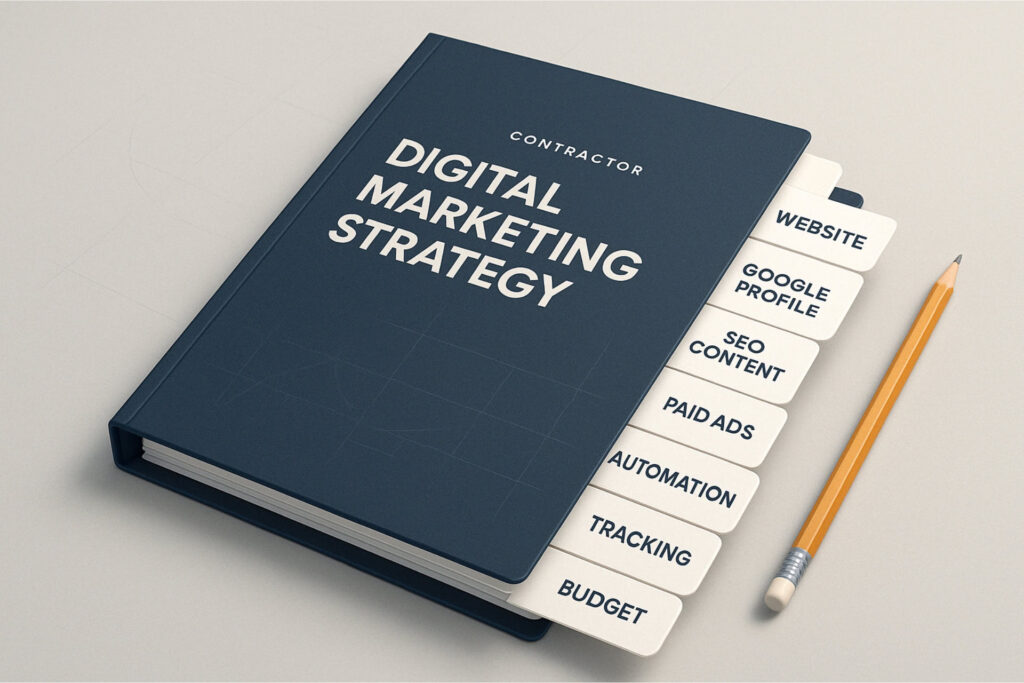
We’ve seen it again and again — great contractors stuck in a cycle of relying on flaky lead providers, juggling disconnected tools, or trying to piece together a marketing strategy between jobs.
That’s why we created something better:
A complete, done-for-you growth engine built specifically for contractors.
We don’t just give you a CRM or a pretty website.
We give you a system that works together — and actually brings in new business every month.
What You Get
- A website that converts – Built for your trade, optimized for local SEO, and designed to capture leads with forms, booking, and review automation.
- A smart CRM – Tracks every lead from quote to invoice, automates follow-ups, and helps you stay on top of your pipeline without lifting a finger.
- Automated marketing – Texts, emails, reminders, review requests — all done for you.
- Ongoing support – We don’t disappear after launch. You get ongoing updates, CRM tweaks, and access to expert help.
If you want to learn more, check out our article on digital marketing for home services.
Simple Pricing
- $1,500 total setup → $750 upfront, $750 on launch
- Monthly plans vary by service level — no long-term contracts required
- Everything is tailored to your business, not pulled off a shelf
You could keep paying for generic leads and hope something sticks.
Or you could own the entire system — and turn it into your unfair advantage.
Want to see how it could work for your business? Book a free discovery call — we’ll walk you through it step by step.
Choosing the Right Contractor Lead Generation Strategy
There’s no shortage of options when it comes to finding leads. But the question isn’t “How do I get more leads?” — it’s “How do I get better leads without wasting time or money?”
Here’s the recap:
- Buying leads might give you volume, but it rarely gives you control.
- A scattered set of tools won’t fix a broken pipeline.
- The most reliable path forward is building a repeatable system tailored to your business.
You don’t need a magic bullet. You need a framework that brings in the right prospects, nurtures them automatically, and helps you close jobs consistently.
That’s what we build for our clients — and if you’re serious about growth, we’d love to help you do the same.
Want to take the first step? Book a free discovery call and let’s map out what your system could look like.
FAQ: Contractor Lead Generation
Q: Are contractor lead services worth it?
A: It depends. Some services deliver leads, but they’re often shared and low-intent. You’ll usually get better results by owning your own lead generation system that brings in exclusive leads and nurtures them automatically.
Q: What’s the best way to get leads as a general contractor?
A: Start with your local presence: Google Business Profile, a high-converting website, and targeted paid ads. Pair that with a CRM to capture and follow up on every lead — that’s the foundation of a scalable system.
Q: Is SEO or paid advertising better for construction leads?
A: Both work — but they serve different purposes. SEO is a long-term asset that grows over time. Paid ads deliver faster results but require ongoing budget and optimization. The best strategy uses both, supported by automation and tracking.
Q: Can I build my own lead generation system, or do I need to hire someone?
A: You can definitely build your own — but most contractors are too busy running jobs to manage websites, ads, CRMs, and follow-ups. That’s where done-for-you solutions like ours come in: everything is built and managed for you, so you can focus on the work.
Q: How much does it cost to get started?
A: Our full setup is $1,500 — split into two payments of $750. After that, you’ll choose a monthly plan based on your goals and service level. No long-term contracts, no fluff.