Paid Ads & Lead Generation
How to Get Commercial Landscaping Contracts

A Step-by-Step Guide to Winning High-Value Landscaping Deals
Landing commercial landscaping contracts is a game-changer for any landscaping business. Unlike residential jobs, commercial contracts offer higher revenue, long-term agreements, and steady work—helping you scale your business predictably.
But breaking into this market can be challenging, especially if you’re competing with well-established companies. The good news? With the right strategy, you can win high-value contracts, attract big clients, and build long-term business relationships.
This guide will walk you through exactly how to get commercial landscaping contracts, from identifying the right clients to crafting winning proposals and securing long-term deals.
Let’s dive in.
Why Commercial Landscaping Contracts Are Game-Changers
Winning commercial landscaping contracts can transform your business. Unlike residential projects, which are often one-time jobs or seasonal services, commercial contracts provide stable, recurring revenue and help you scale sustainably. Here’s why they’re a game-changer:
Higher Revenue Per Client
Commercial landscaping clients pay more than residential customers. Businesses, property managers, and municipalities have larger budgets for maintenance, upgrades, and year-round services. Instead of dozens of small projects, you can land fewer but bigger contracts that generate consistent cash flow.
Long-Term Agreements = Predictable Income
Many commercial contracts are structured as monthly or yearly retainers, ensuring you get paid consistently for ongoing maintenance and landscaping work. This stability allows you to plan ahead, invest in equipment, and scale your team with confidence.
Consistent Workload = Better Business Stability
Unlike seasonal residential work, commercial properties need maintenance year-round—from mowing and irrigation in the summer to leaf removal in the fall and snow clearing in the winter. A steady workload means no slow seasons and fewer financial ups and downs.
Builds Credibility & Brand Reputation
Working with corporate clients, government contracts, and large properties gives your business a strong reputation. The more commercial contracts you secure, the easier it becomes to attract more high-value clients. A track record of successful commercial projects makes your company stand out in the industry.
Bottom Line
If you want sustainable growth, predictable income, and higher profits, commercial landscaping contracts are the way to go. The next step? Identifying who needs your services the most.
Who Needs Commercial Landscaping Services? (Your Target Market)
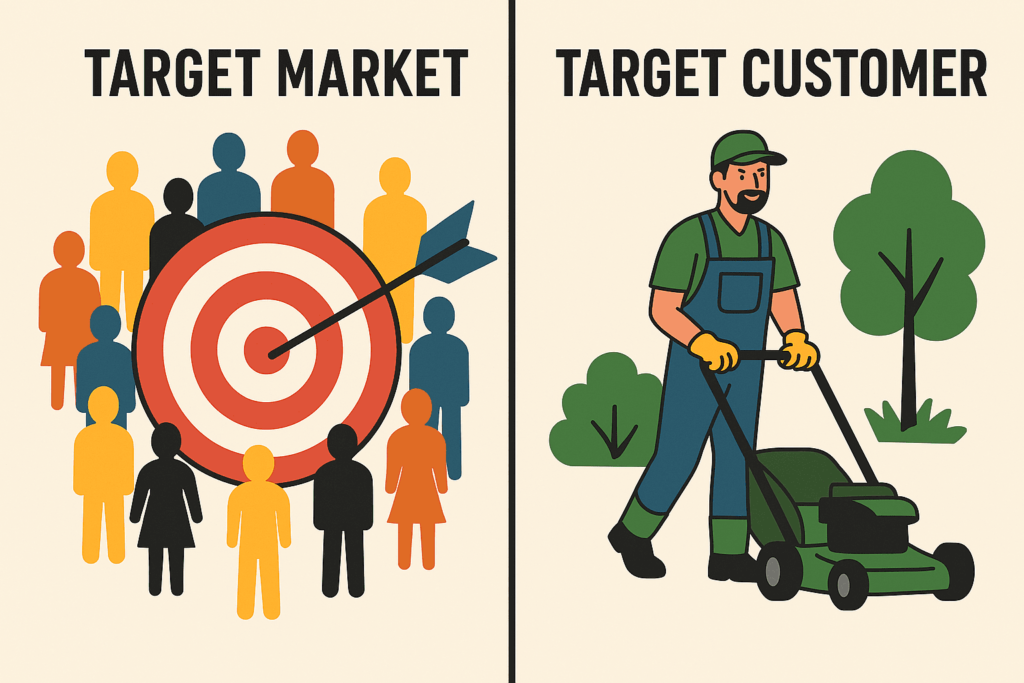
To land high-value contracts, you need to target the right clients. The best commercial landscaping contracts come from businesses and organizations that own or manage large outdoor spaces and require ongoing maintenance. Here’s where to focus your efforts:
Property Management Companies
Property managers oversee office parks, apartment complexes, and mixed-use buildings—all of which require year-round landscaping, lawn care, and seasonal maintenance. These companies outsource landscaping services to ensure their properties remain visually appealing and well-maintained.
Office Buildings & Corporate Campuses
Businesses invest in landscaping to enhance their brand image, create a welcoming environment, and maintain safety on their premises. Many corporate offices prefer long-term contracts for routine maintenance and seasonal upgrades.
HOAs (Homeowner Associations)
Homeowner associations are responsible for maintaining common areas in residential communities, including:
- Entrance landscaping
- Parks and playgrounds
- Walking paths and green spaces
HOAs typically sign multi-year contracts with landscaping companies for regular maintenance and seasonal work.
Shopping Centers & Retail Stores
Malls, strip centers, and big-box retail stores need professional landscaping to attract customers and maintain a clean, inviting appearance. These contracts often include:
- Lawn care
- Tree and shrub maintenance
- Seasonal flower installations
Hotels & Resorts
Hotels and resorts rely on landscaping to enhance guest experience. From lush gardens to perfectly maintained lawns, their outdoor spaces must always look pristine. Many hospitality businesses sign exclusive multi-year agreements with landscaping companies.
Schools & Universities
Educational institutions—whether public schools, private colleges, or large universities—have expansive outdoor spaces that require:
- Lawn care
- Tree maintenance
- Snow removal (in colder regions)
- Seasonal decorations and installations
Most schools operate on fixed annual budgets, making long-term contracts a standard practice.
Government & Municipal Contracts
Government agencies often put out public bids for landscaping services to maintain:
- Public parks
- City streetscapes
- Recreational facilities
- Government buildings
These contracts can be highly lucrative but require you to register as a government vendor and submit formal proposals (which we’ll cover later).
How to Use This List
Use this list to narrow your outreach and build tailored pitches. Each of these industries has different pain points, so speak their language when offering your services.
Up next: Let’s talk about exactly how to find these commercial landscaping contracts—and how to get your foot in the door.
How to Find Commercial Landscaping Contracts
Knowing who needs your services is only half the battle. Now it’s time to go out and find commercial landscaping contracts—the kind that lead to predictable income and business growth.
Here’s a breakdown of proven strategies to find and land those high-value opportunities:
Use Local Business Directories & Databases
Start by researching local businesses that are likely to need landscaping services. Use tools like:
- Google Maps and Google Business listings
- LinkedIn company search
- Chamber of Commerce directories
Look for businesses with visible outdoor space—office parks, retail centers, apartment complexes—and make a list of prospects to reach out to.
Network With Property Managers & Real Estate Developers
Relationships are everything in commercial landscaping.
- Join local business networking groups and real estate associations
- Attend construction expos, property management events, and chamber mixers
- Use LinkedIn to connect with facility managers, property developers, and HOA board members
These decision-makers are often the ones who award landscaping contracts—or can refer you to someone who does.
Get on Vendor Lists for Government & Corporate Contracts
Many large organizations require vendors to be pre-approved before awarding contracts. To get started:
- Register your business on SAM.gov (for U.S. federal contracts)
- Look up local government websites for RFPs (Requests for Proposals)
- Sign up for bidding platforms like BidNet, GovWin, or DemandStar
Government and municipal contracts may take more effort to win—but they’re some of the most reliable and long-term.
Partner With Other Contractors
Team up with businesses already serving the same commercial clients:
- General contractors
- Snow removal companies
- Janitorial services
- Irrigation system installers
Many commercial clients prefer bundled service providers—and if you build relationships with these vendors, they may bring you in as their go-to landscaping partner.
Offer Referral Incentives to Get More Leads
Word-of-mouth is powerful. Here are some ways to utilize them to get more commercial landscaping contracts:
- Offer current clients a discount or bonus if they refer you to a commercial contact
- Reach out to your network and let them know you’re looking for commercial landscaping accounts
- Don’t be afraid to ask for introductions—people love to help when there’s value in it for them
Bonus Tip:
When prospecting, always look professional. Have a clean website, project photos, and a clear service menu ready. First impressions matter when you’re approaching commercial clients.
Next up: How to Win a Commercial Landscaping Bid—because finding the opportunity is one thing. Winning it? That’s where the real strategy begins.
How to Win a Commercial Landscaping Bid
You’ve identified your target clients and found the right opportunities. Now it’s time to win the bid. Getting commercial landscaping contracts isn’t just about being the cheapest—it’s about showing you’re the most reliable, professional, and results-driven choice.
Here’s how to stand out and land the deal:
Understand the Client’s Needs
Before you submit a proposal, do your homework.
- Research the company and the property
- Visit the location (if possible)
- Ask questions about their current landscaping setup, pain points, and goals
Whether they’re struggling with seasonal upkeep, high costs, or inconsistent vendors, tailor your pitch to solve their specific problems.
Craft a Competitive Proposal
Your proposal should position you as the clear choice—not just a vendor, but a partner. Include:
- A cover letter showing you understand their needs
- Detailed scope of work outlining exactly what’s included
- Transparent pricing (with optional service tiers)
- Before-and-after photos, past project highlights, and testimonials
Bonus: Offer basic, standard, and premium packages to give them flexibility—and upsell opportunities.
Offer a Free On-Site Consultation
If possible, walk the property and provide a free assessment.
- Point out areas of improvement
- Suggest enhancements (e.g., drought-tolerant plants, lighting, irrigation)
- Explain how your service can reduce costs or increase property value
This positions you as a proactive expert—not just someone who mows lawns.
Demonstrate Your Expertise & Credibility
Commercial clients want to feel confident in who they hire. Highlight:
- Certifications (e.g., ISA, NALP, pesticide licenses)
- Insurance coverage
- Years in business and notable clients
- A portfolio of completed jobs
Even if you’re newer, focus on results you’ve delivered and how your process ensures reliability and consistency.
Follow Up & Negotiate Smartly
Many commercial landscaping jobs go to the company that follows up professionally and persistently.
- Send a thank-you note or follow-up email
- Offer to answer questions or revise your proposal
- Stay top of mind without being pushy
When negotiating, be flexible with terms—but don’t undervalue your work. You can offer discounts for longer contracts or bundled services, but always show the value they’re getting.
Quick Recap:
Winning commercial landscaping contracts comes down to:
- Solving the client’s problems
- Showing real expertise
- Delivering a professional proposal
- Following up like a pro
You don’t have to be the cheapest—you just have to be the most trustworthy and value-packed option.
Next up: You’ve won the contract. Now let’s make sure you keep it and grow it—onto the next section: Maintaining & Growing Your Commercial Contracts.
Maintaining & Growing Your Commercial Contracts
Winning a commercial landscaping contract is a big win—but keeping it and growing it is where long-term profit lives. Once you land a client, your job shifts from selling to serving at a high level, earning trust, and creating new opportunities within the relationship.
Here’s how to keep commercial clients happy and turn one contract into many:
Deliver Exceptional Service—Every Time
Reliability is everything in commercial landscaping. Your clients don’t want to think about the landscaping—they want to know it’s handled.
- Show up consistently and on time
- Communicate proactively (especially during seasonal transitions or bad weather)
- Handle issues fast and professionally
Great service leads to contract renewals, referrals, and glowing testimonials.
Offer Seasonal Add-Ons to Boost Revenue
Once you’ve built trust, it’s easier to upsell additional services. Examples include:
- Snow removal in winter
- Spring and fall cleanups
- Holiday lighting
- Seasonal flower planting
- Lawn aeration and fertilization programs
These add-ons help you increase revenue per client without needing new leads.
Upsell Long-Term Improvements
Go beyond maintenance. Suggest upgrades that enhance the property’s appearance or reduce long-term costs:
- Smart irrigation systems
- Low-maintenance landscaping designs
- Outdoor lighting
- Sustainable plant choices (xeriscaping, native plants)
Frame these as investments that improve curb appeal, tenant satisfaction, or operational efficiency.
Ask for Testimonials and Referrals
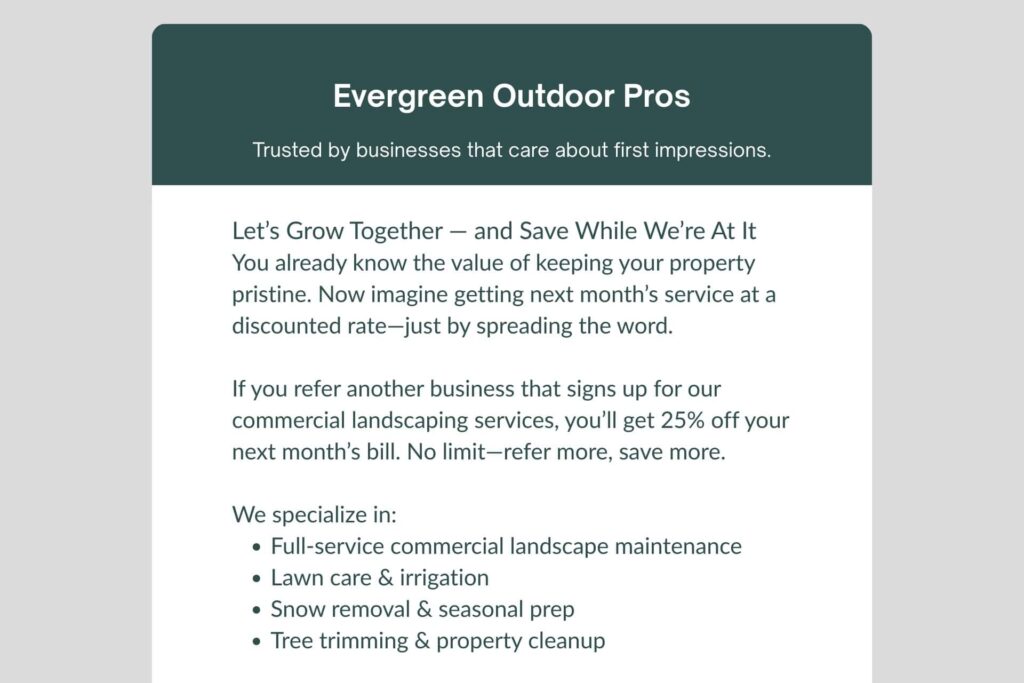
Once you’ve proven yourself, ask for a testimonial—or better yet, a referral. Happy clients can connect you to:
- Other properties they manage
- Business partners or developers
- HOA boards and facility managers in their network
Make it easy by providing a quick form or writing the first draft of the testimonial for them to approve.
Track and Report Results
Set yourself apart by reporting on your work. You don’t need complex software—just a simple monthly update that shows:
- Work completed
- Property improvements
- Upcoming recommendations
This reinforces your value and shows you’re thinking ahead, not just reacting.
Bottom Line:
Commercial landscaping contracts don’t just pay the bills—they fuel your growth. Focus on service, upsells, and relationship-building, and you’ll turn one contract into a portfolio of loyal, high-paying clients.
Final Thoughts
Breaking into the commercial market can feel intimidating—but once you understand how to get commercial landscaping contracts, the process becomes repeatable.
Start by targeting the right clients, building real connections, and showing up with a professional proposal that speaks to their needs. From there, it’s about delivering outstanding service, building long-term relationships, and continuously finding ways to add value.
Commercial contracts are more than just big paychecks—they’re the key to predictable income, year-round work, and long-term business stability.
If you’re serious about scaling your landscaping business with commercial accounts, don’t go it alone.
Need Help Getting Commercial Landscaping Leads?
We help landscaping companies generate qualified leads, craft winning proposals, and automate follow-ups—so you can focus on what you do best.
Want a done-for-you system to attract high-value commercial clients?
Contact us today and let’s build your success story.
Articles Related to Commercial Landscaping Lead Generation
Landscaping Services
- How to Run Effective Landscaping Ads
- The Ultimate Guide to SEO for Landscapers: Get More Clients Online in 2025
- Landscaper Marketing: The Ultimate Guide to Growing Your Lawn Care Business in 2025