Paid Ads & Lead Generation
Home Services Advertising in 2025: Proven Strategies to Outperform Your Competition
Why Most Home Service Ads Don’t Work Anymore
If you’re still using the same ads you ran two years ago, there’s a good chance they’re barely breaking even—if they’re working at all.
In 2025, the digital landscape has changed. Consumers are scrolling faster, clicking less, and ignoring generic promotions that feel like background noise. Meanwhile, ad costs are rising, privacy changes have killed cookie-based targeting, and AI is rewriting the rules of who sees your message—and why.
But here’s the upside: if you run a home services business and want to actually generate high-quality leads from your advertising, this shift is your opportunity.
This guide will walk you through what’s working in 2025 for home services advertising—from AI-powered personalization to short-form video, omnichannel funnels, voice search optimization, and more. Whether you’re a roofer, cleaner, HVAC tech, or electrician, you’ll learn how to create home service ads that attract clicks and convert.
Let’s start by looking at what’s changed—and what it means for your business.
What’s Changed in 2025 (And Why It Matters)
The old approach to advertising—generic Google Ads, mass-emailed coupons, or Facebook posts copied from a template—isn’t enough anymore. Today’s homeowners expect relevant, personalized experiences delivered instantly and on the platform they already use.
Here are five major shifts reshaping home services advertising in 2025:
1. AI Is Now the Brain Behind Ad Success
Ad platforms like Meta, Google, and TikTok now use advanced AI to determine who sees your ads, when, and in what format. If you’re not feeding the algorithm high-quality data—like customer interactions from your CRM—you’re burning cash. Smart advertisers are leaning on AI to generate headlines, optimize bids, and dynamically swap creatives based on audience signals.
2. Short-Form Video Dominates Attention
Homeowners are spending hours a day watching short-form content. Facebook Reels, Instagram Stories, YouTube Shorts, and TikToks have become key ad formats. If your business can’t show value in the first 3 seconds, you’re invisible. Static images still have a role, but video is the fastest way to build trust and explain what you do—fast.
3. Conversational Marketing Is the New Norm
Today’s customers want answers now. Live chat, SMS, and chatbots are no longer “nice-to-haves”—they’re expected. A prospect landing on your page wants to ask a question and get a reply without picking up the phone. Home services businesses that implement real-time messaging are converting more leads while their competitors sit in voicemail limbo.
4. Voice Search Optimization Is Essential
“Hey Google, find an emergency plumber near me.” Voice searches are skyrocketing—especially for urgent needs. If your content isn’t optimized for conversational queries or if your Google Business Profile is incomplete, you’re missing leads from voice-activated devices.
5. Authenticity & Trust Beat Flashy Campaigns
Homeowners don’t want over-polished ad speak—they want real proof you can solve their problem. Brands that lead with trust, transparency, and personality (think before-and-after clips, customer videos, behind-the-scenes looks) are seeing better ad performance than those running cookie-cutter promotions.
The takeaway? If your home service ads aren’t personal, fast, interactive, and human—you’re being skipped.
Up next: how to turn these trends into a working ad funnel that converts strangers into booked jobs.
How to Build a Full-Funnel Advertising Strategy for Home Services
Most home service companies make one of two mistakes with their advertising:
- They go straight for the sale with every ad.
- They spread content randomly without a clear strategy.
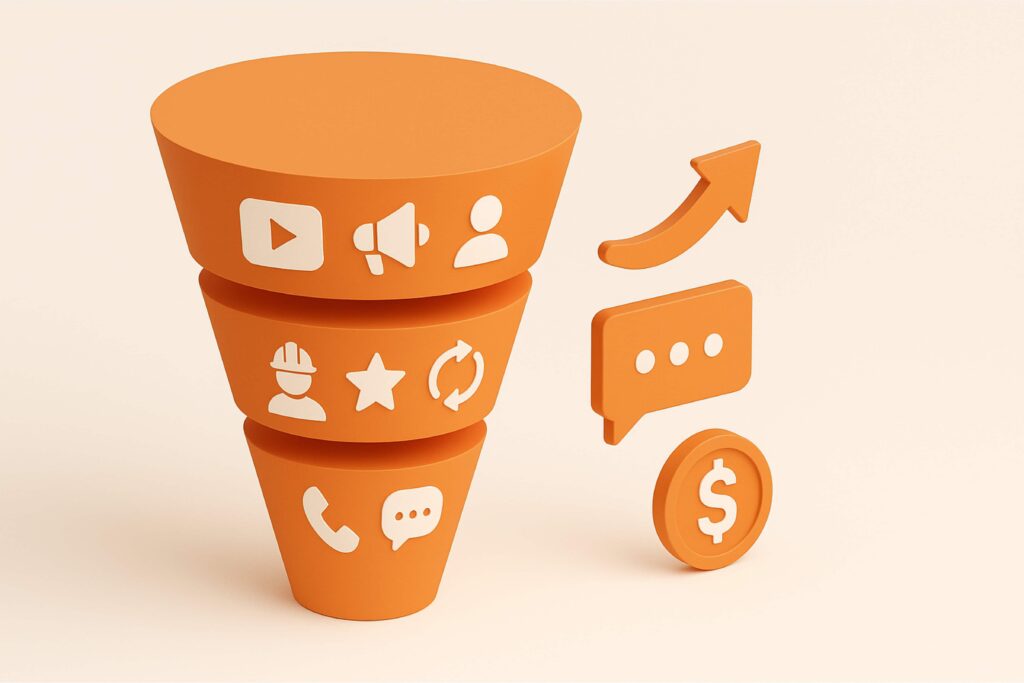
In 2025, the companies getting the most booked jobs from digital ads are the ones building structured, full-funnel campaigns—designed to guide a customer from “never heard of you” to “booked and paid.”
Here’s how that funnel works, and how to align your home services advertising to each stage:
Top of Funnel (TOFU): Build Awareness
Your goal here isn’t to sell—it’s to get noticed. At this stage, your future customer doesn’t even know who you are. They might not even know they need you yet. The best play here is value-first content that educates, entertains, or stops the scroll.
Best ad types:
- Short-form video (Facebook Reels, TikTok, YouTube Shorts)
- Educational or funny videos (“5 signs your furnace is about to fail”)
- Local branding ads (highlighting your team or community involvement)
- Micro-influencer shoutouts in your area
Goal: Capture attention and pixel or tag the viewer for retargeting.
Middle of Funnel (MOFU): Build Trust
Now they’ve seen your brand—they just haven’t made a decision. This is your moment to prove you’re the safe bet.You’re warming them up with real-world results, reviews, and offers.
Best ad types:
- Video testimonials and before/after reels
- Comparison ads (“Why [Your Biz] is rated #1 over [Generic Competitor]”)
- Retargeting ads to website visitors with limited-time offers
- Interactive content (polls, quizzes, free estimate calculators)
Pro tip: Pair these ads with smart audience segments like people who:
- Watched 50% of your TOFU video
- Clicked your last ad but didn’t convert
- Visited your “Pricing” or “About” page
Bottom of Funnel (BOFU): Convert to Booked Jobs
This is where money is made. You’re now talking to high-intent prospects ready to hire someone. Make it stupid-easy to choose you.
Best ad types:
- Google Local Services Ads (LSAs): Show up at the top of the page with a Google Guarantee badge
- PPC search ads: Bid on service + location keywords (“emergency drain cleaning Austin”)
- Direct booking offers: “$0 service call if booked by Friday” / “$50 off new customer jobs”
- Click-to-call, chatbot, or SMS opt-in
Goal: Get them to take action now—book a job, request a quote, or call directly.
Bonus: Retargeting for the Win
Most customers don’t convert after the first touch. Use retargeting ads to stay top of mind after a site visit or video view:
- Abandoned quote follow-ups
- “Still need help with…” reminders
- Personalized offers based on service pages they visited
How This Funnel Comes Together
Here’s how a plumber’s 2025 ad funnel might look:
| Stage | Example Ad | Platform |
| TOFU | “5 DIY tricks to unclog a sink (and 1 reason to call us)” – Reels video | Facebook, TikTok |
| MOFU | “How we saved this family $3,200 with trenchless repair” – before/after | YouTube, Meta retargeting |
| BOFU | “$0 emergency callout – today only” with click-to-call | Google LSA, PPC |
In the next section, we’ll dive into which platforms work best for each stage and how to allocate your ad spend across Google, Facebook, YouTube, TikTok, and more.
Best Platforms for Home Services Advertising in 2025
Not all ad platforms are created equal—especially in the home services space. Each one plays a different role in your funnel, depending on where your customer is in the decision-making journey.
Some platforms are ideal for building awareness, others for capturing leads, and some are built purely for conversions. The key in 2025 is knowing where to invest based on your goal—and how to tailor your ads to the strengths of each platform.
Here’s a breakdown of the platforms that matter most this year, what they’re best for, and how to use them right.
Google Local Services Ads (LSAs)
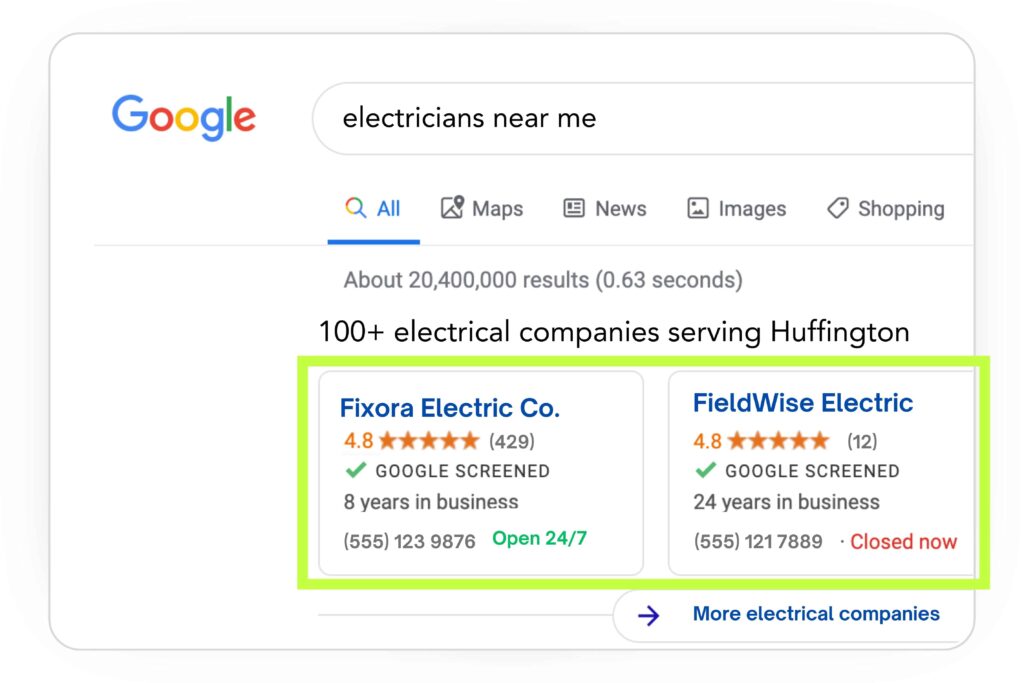
Best for: Bottom of funnel (BOFU) – high-intent leads ready to hire
Why it works:
- These ads appear above regular Google Ads.
- You only pay when someone calls or messages—not just for clicks.
- Customers trust the Google Guaranteed badge.
Pro tips:
- Go through the verification process early—it can take a week or more.
- Make sure your business hours, service area, and reviews are up to date.
- Respond fast—Google favors businesses with high responsiveness.
Use it when: You want immediate, qualified leads ready to book now.
Google Search & Performance Max Ads
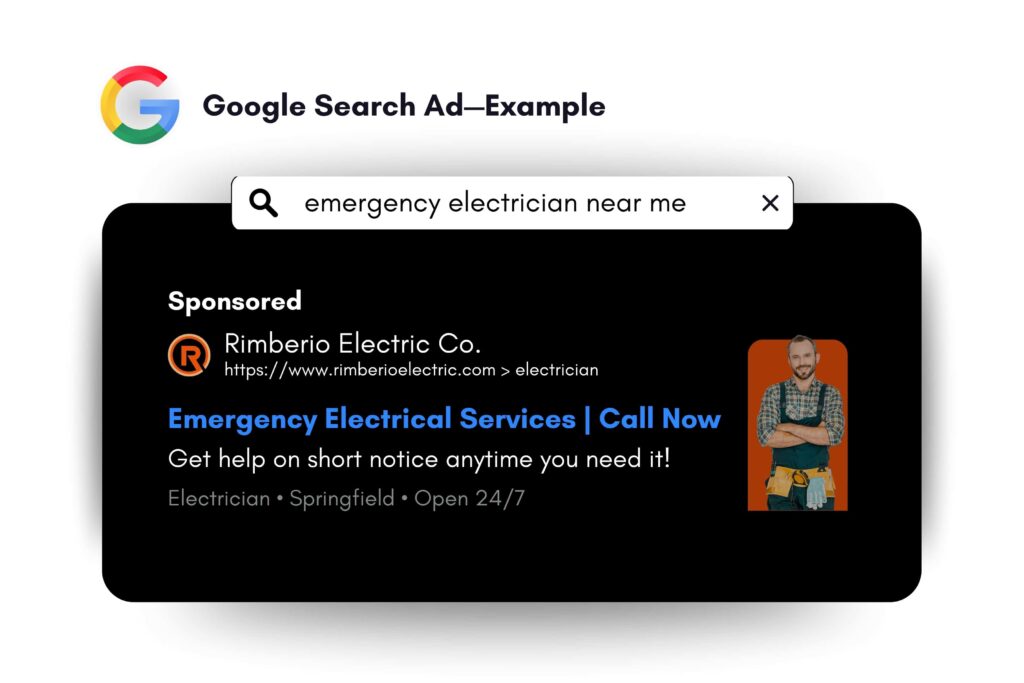
Best for: BOFU + some MOFU – capturing keyword-driven searchers
Why it works:
- Still the highest-converting platform when someone is searching with intent.
- Performance Max allows for broader reach across Gmail, Maps, Display, and YouTube using automation.
Pro tips:
- Structure search campaigns around services + locations (“AC repair San Antonio”).
- Use call extensions and lead forms directly in the ad.
- Avoid broad match keywords unless you’re feeding the algorithm real lead data (like from your CRM).
Use it when: You’re targeting buyers who already know they need help.
Meta Ads (Facebook + Instagram)
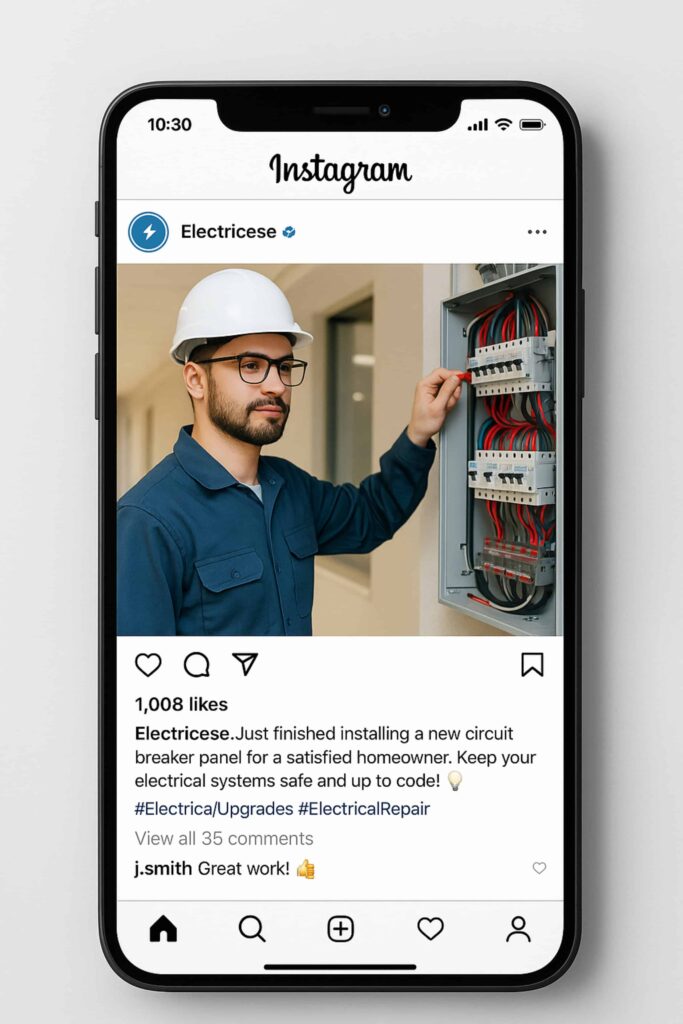
Best for: TOFU + MOFU – building trust, telling your story, retargeting
Why it works:
- Ideal for visual storytelling (before/after, team intros, service demos).
- Lead ads make it easy for people to request quotes without leaving the app.
- Custom audiences let you retarget people who watched your videos, clicked your site, or engaged with your profile.
Pro tips:
- Keep videos under 30 seconds, with the hook in the first 3 seconds.
- Use carousel ads to showcase different services.
- Test ad copy that sounds human—not corporate.
Use it when: You want to stay top-of-mind and warm up cold leads.
YouTube Ads (Shorts + Pre-Roll)
Best for: TOFU + MOFU – brand awareness, education, retargeting
Why it works:
- Second largest search engine after Google.
- Short-form (YouTube Shorts) is exploding among homeowners aged 25–45.
- Excellent for visual trades like cleaning, roofing, landscaping, plumbing.
Pro tips:
- Use geotargeting to limit spend to your service area.
- Make Shorts native-looking and hook-driven, not like TV commercials.
- Retarget viewers who watched 50%+ with a stronger offer.
Use it when: You want to educate and entertain while building trust.
TikTok Ads
Best for: TOFU – viral reach, brand building, engaging younger homeowners
Why it works:
- Explosive reach potential, especially in local communities.
- Authentic content tends to outperform overly polished ads.
- Ideal for visual services with personality (e.g., “watch this pool turn from green to clean”).
Pro tips:
- Film with a phone, not a fancy camera.
- Use trending sounds—but make it relevant.
- Always include a soft CTA (“DM for a quote” or “link in bio”).
Use it when: You want to show personality and create organic-feeling content that grabs attention.
Nextdoor Ads
Best for: MOFU – community trust, hyperlocal visibility
Why it works:
- Neighbors trust other neighbors, and Nextdoor leans into that.
- Great for generating referrals and keeping your name visible in your zip code.
Pro tips:
- Ask happy customers to mention your business in posts.
- Run simple ads with a friendly, conversational tone.
- Avoid hard selling—this platform rewards helpfulness.
Use it when: You want to own a specific neighborhood or local region.
Platform Summary Table
| Platform | Best For | Strengths | Watch Out For |
| Google LSAs | BOFU | High-intent leads, Google trust | Needs verification & fast replies |
| Google Search | BOFU/MOFU | Keyword intent | Expensive if poorly optimized |
| Meta (FB/IG) | TOFU/MOFU | Visual storytelling, retargeting | Creative fatigue, poor targeting |
| YouTube Shorts | TOFU/MOFU | Strong branding & education | Must hook early |
| TikTok | TOFU | Viral organic-style reach | Works best with bold, authentic brands |
| Nextdoor | MOFU | Community trust | Less effective for fast scaling |
Next up: we’ll show you how to use 2025 tools like AI, CRM syncing, and chatbot automations to turn ad views into booked jobs—without burning out or missing leads.
2025-Proof Tactics to Maximize ROI on Your Home Service Ads
You’ve got the strategy. You know which platforms to use. Now it’s time to talk about execution—the tools, automations, and enhancements that actually move the needle in 2025.
These are the levers smart home service businesses are pulling to drive more leads, close more jobs, and reduce wasted spend. Most of your competitors aren’t doing half of this—yet.
1. AI-Powered Targeting and Dynamic Creatives

Ad platforms now lean heavily on AI. That’s not optional—it’s how your ads get shown to the right people. But the advertisers winning in 2025 are feeding the algorithm the right signals.
Here’s how to leverage it:
- Use dynamic creative ads on Facebook and Google to automatically test image, headline, and CTA combinations.
- Let Performance Max or Advantage+ campaigns run—but train the algorithm with high-quality inputs (custom audiences, CRM data, pixel signals).
- Use ChatGPT or Claude to help you write ad hooks, split-test copy, and brainstorm offers at scale.
Pro tip: The better your first-party data (email lists, past customers, site visitors), the better the AI performs. Sync your CRM if possible.
2. Sync Your CRM to Your Ad Accounts
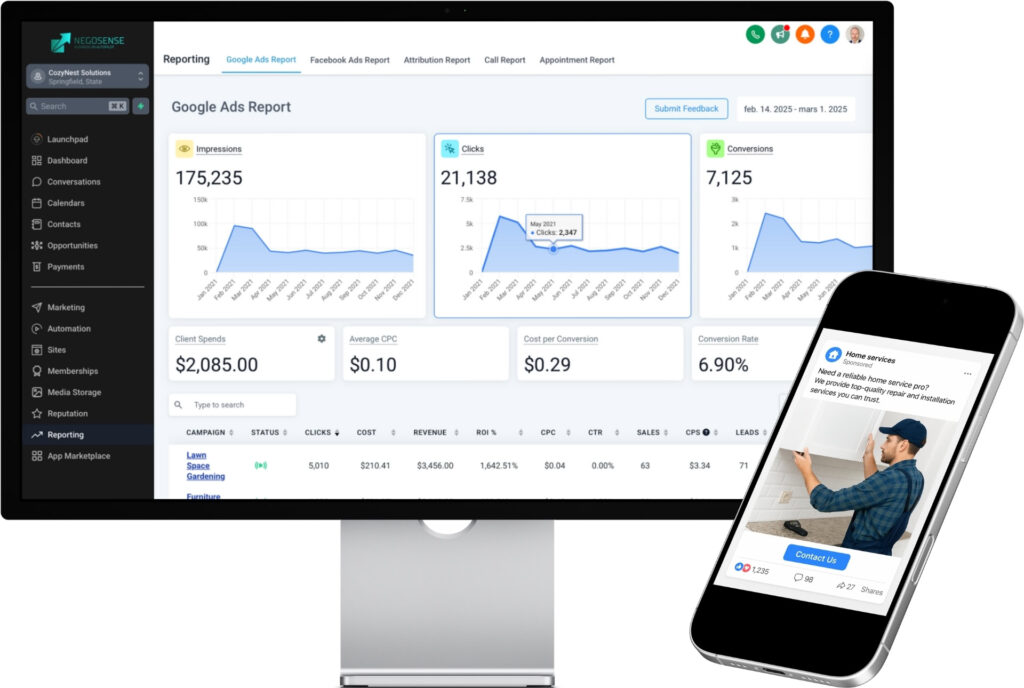
The death of third-party cookies makes first-party data your #1 asset. By syncing your CRM with Google and Meta, you can:
- Retarget past customers with seasonal offers
- Build lookalike audiences based on actual clients
- Suppress existing leads from cold ads to reduce waste
- Track real ROI by connecting ad clicks to actual booked jobs
If you’re using GoHighLevel (or a white-labeled version like ours), this setup is easier than ever—and a game-changer for your home services advertising ROI.
3. Implement Chatbots and Instant Booking Automations

Customers don’t want to wait. If someone clicks your ad and lands on a page with just a form, you’re leaving money on the table.
Instead, add:
- Chatbots that qualify leads and answer common questions
- Live chat for instant engagement
- Click-to-book calendars that let leads schedule a quote or call directly
50% of consumers do business with the company that responds first. Instant interaction = more conversions.
You can also automate lead follow-up via text, email, or voicemail drops to prevent leads from slipping through the cracks—especially for LSAs and PPC campaigns.
4. Optimize for Voice Search and Mobile Speed
In 2025, voice searches like “Hey Siri, find a roofing company near me” are no longer rare—they’re normal. And the majority of clicks still happen on mobile.
How to capitalize:
- Use natural language in your site copy and ad headlines (“best AC repair near me” instead of just “AC repair”)
- Make sure your landing pages load in under 3 seconds on mobile
- Include click-to-call, map buttons, and “tap to book” CTAs
Think of your entire customer journey as mobile-first—even if the final sale happens offline.
5. Run Interactive & Visual Ad Formats
Static images and long paragraphs are dying. Your ads should move, engage, or invite interaction.
High-ROI ad types in 2025:
- Short-form video: Reels, TikToks, YouTube Shorts
- Poll ads: Great for engagement + audience research
- Before/after carousels: Simple, visual proof of transformation
- Quizzes & calculators: “What’s your lawn’s curb appeal score?” or “Estimate your HVAC savings”
These formats build more attention, more time-on-page, and better relevance scores—leading to cheaper ad costs and more conversions.
Bonus: Retarget with Smart Logic
Someone clicks your ad but doesn’t convert? Don’t waste that attention. Set up conditional follow-up campaigns:
- “Still need help with that leak?” ad 2 days after a site visit
- Email + SMS follow-up with a time-sensitive offer
- Retargeting video showing social proof or testimonials
Each touchpoint pushes the lead closer to conversion—without extra manual work.
Bottom line:
In 2025, the businesses dominating local markets aren’t just “running ads.” They’re using AI, automation, personalization, and CRM data to make every click count. These tactics don’t just boost ROI—they give small teams a competitive edge that feels like a much bigger operation.
Coming up next: We’ll show you real-world ad examples across platforms and break down what makes each one effective.
Examples of High-Performing Home Service Ads (and Why They Work)
Most blog posts talk theory. But in 2025, you need execution. This section gives you real-world examples of high-performing home service ads — the kind that stop the scroll, generate real leads, and actually convert.
These mockups are based on what’s working now across Google, Meta, YouTube, and TikTok.
Example 1: Facebook Lead Ad for a Local HVAC Company
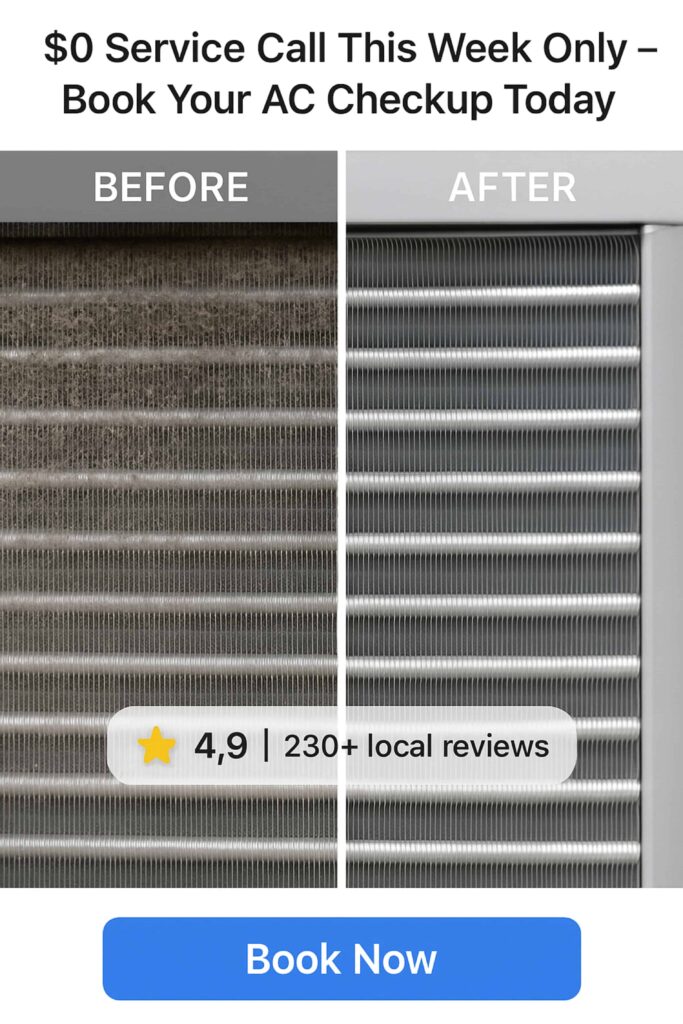
Ad Headline:
“$0 Service Call This Week Only – Book Your AC Checkup Today”
Creative:
- Before/after photo of a dusty AC coil vs. cleaned unit
- Trust badge overlay (“4.9 ★ | 230+ local reviews”)
Why It Works:
- Strong offer with urgency
- Scroll-stopping visual
- Built-in social proof
- Instant lead form keeps them in-app
Pro tip: Use Meta’s lead form “instant experience” to reduce bounce and collect phone numbers, preferred appointment times, and basic service info.
Example 2: Google Local Services Ad for a Plumbing Business
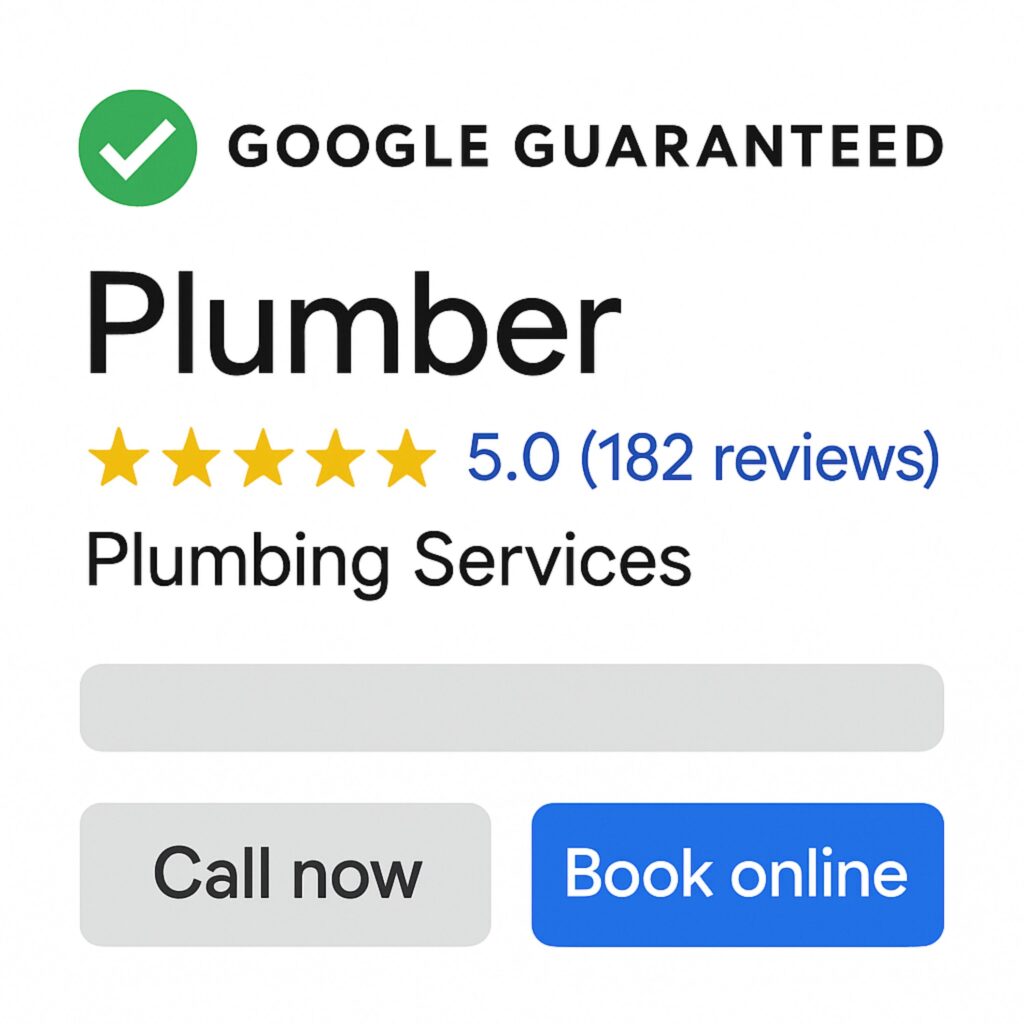
Top Features:
- “Google Guaranteed” badge
- 5.0 rating from 182 reviews
- CTA button: Call now or Book online
Why It Works:
- Highest visibility on the SERP
- No-click quote form builds trust
- Google reviews = social proof
- Local targeting ensures relevance
Bonus Tip: Google prioritizes LSAs based on responsiveness, reviews, and profile completeness. Treat it like an SEO profile, not just an ad.
Example 3: YouTube Short for a Landscaping Company
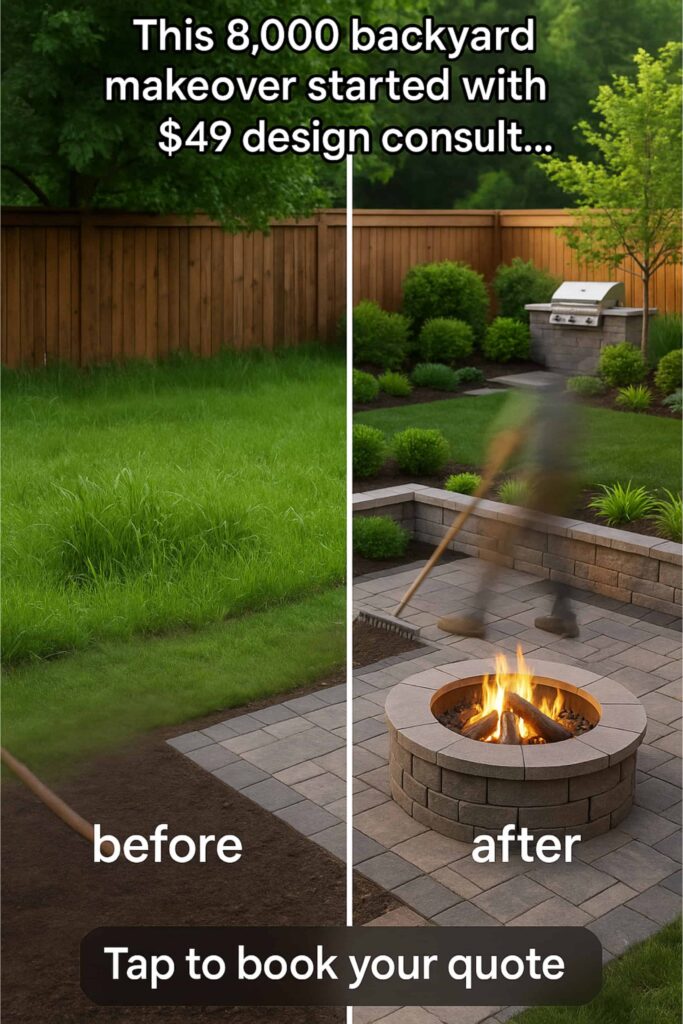
Hook (first 3 seconds):
“This $8,000 backyard makeover started with a $49 design consult…”
Video:
- Quick pan from overgrown lawn to luxury firepit + patio
- Time-lapse footage of the transformation
- On-screen CTA: “Tap to book your quote”
Why It Works:
- Visual impact of before/after
- Hooks fast and holds attention
- Callout offer is framed as low-risk
- Perfect for retargeting viewers who visited your website
Example 4: TikTok Ad for a Residential Cleaning Business
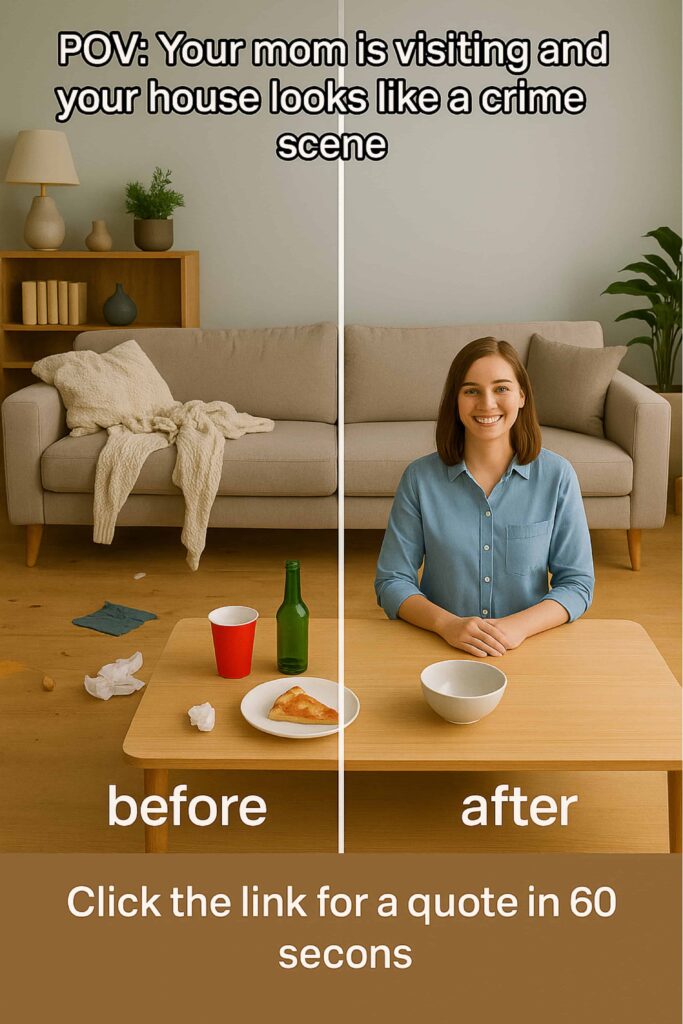
Concept:
“POV: Your mom is visiting and your house looks like a crime scene”
Video:
- Relatable, humorous skit
- Transition to spotless house + smiling customer
- CTA in caption: “Click the link for a quote in 60 seconds”
Why It Works:
- Native feel (not an obvious ad)
- Emotion-driven — funny, relatable
- Low-friction CTA
- Engages Gen Z and Millennial homeowners
Example 5: Retargeting Carousel Ad for a Roofing Company

Headline:
“Still Need a Roof Quote? See Why 238 Homeowners Chose Us in 2024”
Slides:
- Before/after aerial drone shot
- Customer testimonial pull quote
- Financing offer: “No payments for 6 months”
- CTA button: “Get My Free Estimate”
Why It Works:
- Personalized follow-up for warm leads
- Uses trust, proof, and financing angle
- Builds momentum from earlier clicks
How to Apply This to Your Ads
You don’t need a big budget or a video team to create ads like this.
Start with:
- One strong visual (even from your phone)
- A clear offer (“Free call,” “$25 off,” “Quote in 60 sec”)
- A CTA that aligns with where they are in the funnel
- Optional: add social proof if you have reviews
Tools like Canva, InVideo, and CapCut make it easy to design scroll-stopping ads fast — or you can use prebuilt templates in your CRM or ad manager.
In the next section, we’ll look at common ad mistakes that drain your budget — and how to fix them before they cost you.
Common Home Service Advertising Mistakes to Avoid in 2025
It’s easier than ever to run ads. But it’s just as easy to waste your budget doing it wrong.
Even with great platforms and creative, most local service businesses fall into the same traps that kill their ROI—and they don’t even know it. In 2025, these outdated tactics can quietly destroy your performance.
Here are the most common mistakes we see in home services advertising, and how to fix them before they cost you another dollar.
1. Using Generic, One-Size-Fits-All Campaigns
Running the same ad for everyone is a fast way to get ignored. In 2025, audiences expect personalization—especially for high-trust services like roofing, HVAC, plumbing, or cleaning.
Fix it:
- Segment your ads by service type, location, or job size.
- Use dynamic text in Google Ads or Meta’s Dynamic Creative to tailor offers.
- Retarget people based on what pages they visited or videos they watched.
2. Sending Traffic to Your Homepage
Your homepage is built for general info—not conversions. It’s usually cluttered, slow, or missing a compelling CTA.
Fix it:
Send ad clicks to a dedicated landing page with:
- One clear offer
- Mobile-first design
- Click-to-call or booking calendar
- Social proof and FAQs
Your Google Ads Quality Score and Meta Relevance Score will improve, lowering your cost per lead.
3. Ignoring Mobile Speed & Voice Optimization
Your landing page might look great on desktop—but 80% of your traffic is probably on mobile or voice-enabled devices.
Fix it:
- Run a speed test (use Google PageSpeed or GTmetrix). Aim for under 3 seconds.
- Use natural, conversational phrasing in your headlines and ad copy to match voice searches (e.g., “best plumber near me open now”).
4. Not Following Up Fast Enough
Leads don’t wait. Research shows 50% of buyers choose the first business to respond—and most service companies take hours or days.
Fix it:
- Add live chat, SMS automations, or booking widgets on landing pages.
- Use a CRM or marketing automation tool (like GoHighLevel) to follow up instantly via text, voicemail, or email.
- Use call tracking to know which campaigns are generating leads—and which ones aren’t.
5. Focusing Only on TOFU or BOFU (But Not Both)
Some companies only run bottom-funnel Google Ads. Others post social content but never push for conversion. Both approaches leave money on the table.
Fix it:
- Top of Funnel (TOFU): Run videos, Reels, and TikToks to build brand awareness and audience size.
- Bottom of Funnel (BOFU): Target ready-to-book users with Google LSAs, PPC, and retargeting.
- Middle of Funnel (MOFU): Nurture warm leads with testimonials, trust-builders, and offers.
The magic happens when you connect all stages of the funnel.
6. Ignoring the Power of Social Proof
You might be the best in town—but if your ads and landing pages don’t show proof, prospects won’t believe you.
Fix it:
- Highlight your Google rating (“4.9 stars – 134 reviews”) in ad copy.
- Include before/after photos, client testimonials, and screenshots of reviews.
- Mention accreditations (Google Guaranteed, BBB, licensed/bonded, etc.).
Trust drives conversions—especially for homeowners.
7. Treating Ads Like a Chore Instead of a Growth Engine
Too many home service businesses “set and forget” their ads or try to do everything manually. That’s a recipe for burnout or poor performance.
Fix it:
- Automate repetitive tasks like lead capture, follow-up, and appointment booking.
- Use AI tools to generate ad variations, write copy, and edit video.
- Or outsource the entire system to a specialist who gets your industry (yes, we do that—more on that later).
Coming up next: we’ll break down when it makes sense to DIY your advertising—and when you’re better off handing it to a team that can execute everything for you, start to finish.
DIY vs Done-for-You — What’s Best for Growing Home Service Businesses?
If you’ve made it this far, you know what it takes to advertise successfully in 2025. But here’s the next big decision:
Do you build it all yourself—or hire someone to do it for you?
There’s no universal answer. The right move depends on your budget, time, skillset, and how fast you want to grow. Let’s break it down.
When DIY Advertising Makes Sense
Doing it yourself can be the right call if you:
- Are just getting started and want to test the waters
- Enjoy working with tools like Meta Ads Manager, Canva, or Google Ads
- Have a basic website and want to run local lead gen on a tight budget
- Don’t mind spending a few hours a week learning, tweaking, and optimizing
Recommended tools for DIY home service ads:
- Meta Ad Manager – great for lead ads and retargeting
- Google Ads (with LSA Console) – ideal for search and LSAs
- Canva + CapCut – for video and visual ad creation
- GoHighLevel (or similar) – to capture leads and automate follow-up
- CallRail / WhatConverts – for call tracking
Pro tip: If you’re going the DIY route, build ONE ad funnel at a time. Get it working, then scale.
When Done-for-You Is the Smarter Move
You should consider hiring help if:
- You’re too busy running the business to build campaigns
- You’ve wasted money on ads in the past with no results
- You want a system that generates leads automatically—without micromanaging it
- You’re ready to scale fast and dominate your local market
With a done-for-you setup, you get:
- Fully managed campaigns across Google, Facebook, YouTube, and more
- A conversion-optimized website or landing page (built to book jobs)
- CRM + chatbot + lead nurture automations (text, email, voicemail)
- Real-time reporting and call tracking
- Campaigns tailored to your exact niche and market
No wasted ad spend. No learning curve. Just booked jobs.
Want the Shortcut?
If you’re tired of duct-taping your marketing together and ready to run ads that actually drive revenue—we can build the entire system for you.
At Negosense, we specialize in done-for-you marketing systems for home service businesses. That includes:
- Strategic ad campaigns
- Custom landing pages
- CRM setup
- Booking automations
- Real-time follow-up
- And everything in between
Whether you’re a plumber, roofer, HVAC tech, cleaner, or landscaper—we’ll make sure your ads don’t just look good—they convert.
Click here to book a free strategy call
We’ll audit your current marketing and show you exactly where leads are being lost (and how to fix it).
Conclusion: Win the Local Market with Smarter Home Services Advertising
Let’s recap:
The old way of advertising doesn’t work anymore. Homeowners are savvier. Platforms are smarter. And in 2025, success isn’t about who spends the most—it’s about who builds the most strategic, trustworthy, and responsive system.
If you want to consistently attract, convert, and retain customers through home services advertising, you need:
- A full-funnel strategy that nurtures cold traffic into booked jobs
- Short-form videos, mobile-first landing pages, and personalized ad copy
- CRM-driven automations and instant follow-up
- Real-world social proof, strong offers, and fast-loading experiences
- Ads that actually reflect the quality of your service
You don’t need to be everywhere. You just need to show up smarter than your competitors—and execute consistently.
Need It All Done For You?
If you’re serious about scaling your home service business this year—and don’t want to spend hours learning ads, building pages, and chasing leads—Negosense can handle your home service advertising for you.
We don’t just run ads.
We build full marketing engines that generate leads, follow up automatically, and make you the obvious choice in your market.
Book your free strategy call here
We’ll show you exactly where to start—or fix what’s broken.