CRM & Job Management
Best CRM for Construction and Remodeling in 2025
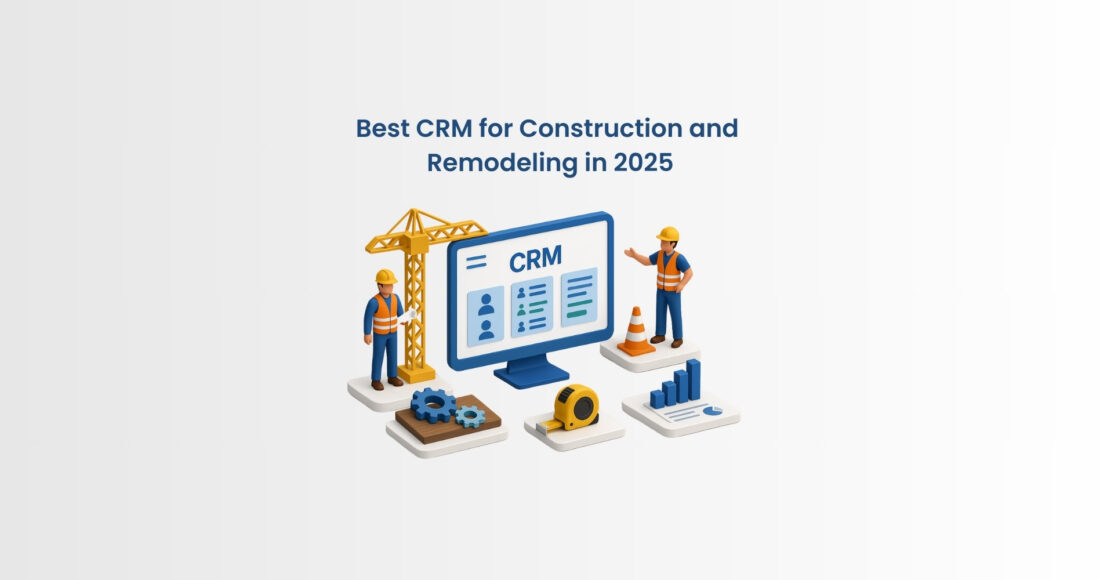
Running a construction or remodeling business in 2025 without a proper CRM is like trying to manage a job site with sticky notes. You’re juggling leads, client communication, estimates, job schedules, invoices — all while trying to keep projects on time and profitable.
A good CRM (Customer Relationship Management) system doesn’t just organize your contacts. It helps you close more deals, automate follow-ups, and streamline your field operations so you can stop firefighting and focus on growing.
In this guide, we break down what to look for in a CRM built for construction and home remodeling — and why most generic CRMs simply don’t cut it for contractors.
Why CRM Software Is a Game-Changer for Construction and Remodeling Businesses
Let’s get real: construction projects are complex, and admin work eats into your margins fast. If you’re still using spreadsheets, email threads, and handwritten notes to track everything, you’re leaving money on the table — and opening the door to mistakes.
The right CRM solves that by centralizing your entire business:
- Lead to job tracking in one place
- Automated quote follow-ups that win more bids
- Project scheduling with team reminders and job site calendars
- Mobile access so you and your team can stay synced in the field
- Client communication via text, email, and calls from one app
More importantly, a construction CRM isn’t just about storing info — it’s about streamlining workflows, automating repeat tasks, and giving you real-time visibility over every job, lead, and dollar.
Whether you’re a general contractor, remodeler, or home builder, investing in the right CRM means fewer headaches and more profitable projects.
Top CRM Features to Look For in the Construction Industry
Not all CRMs are built for the realities of construction and remodeling. You don’t need software made for SaaS startups — you need tools that help you manage jobs, crews, and customer expectations without getting buried in admin.
Here are the must-have CRM features for any construction or home improvement business:
1. Lead & Sales Pipeline Management
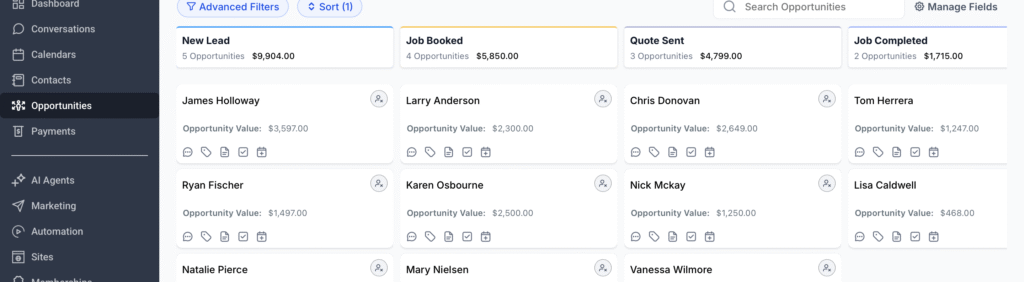
Track every lead from first contact to signed contract. Visual pipelines help you know exactly where each opportunity stands and what needs to happen next to close the deal.
2. Quote & Estimate Builder
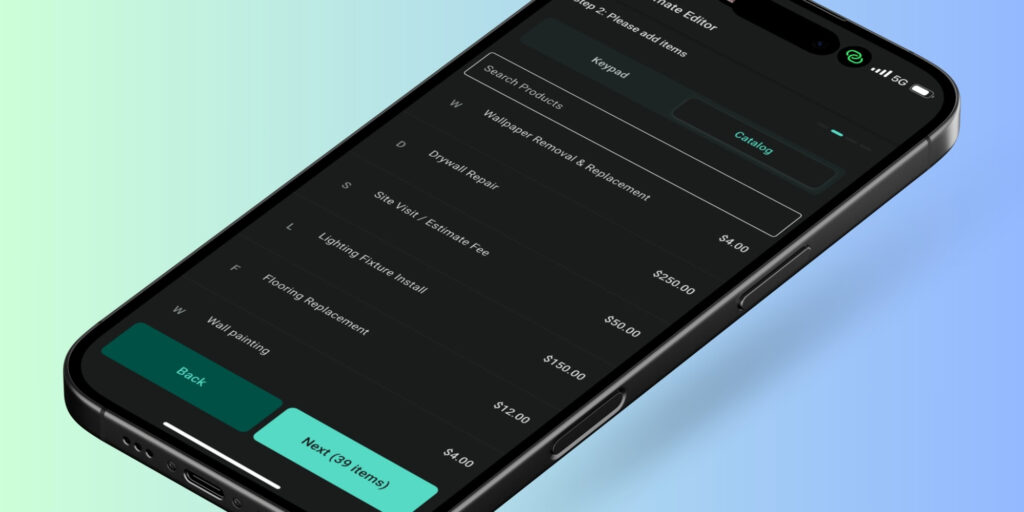
Create and send professional-looking quotes in minutes — then automate follow-ups to stay top of mind. No more chasing people down manually.
3. Job Scheduling & Calendar Sync
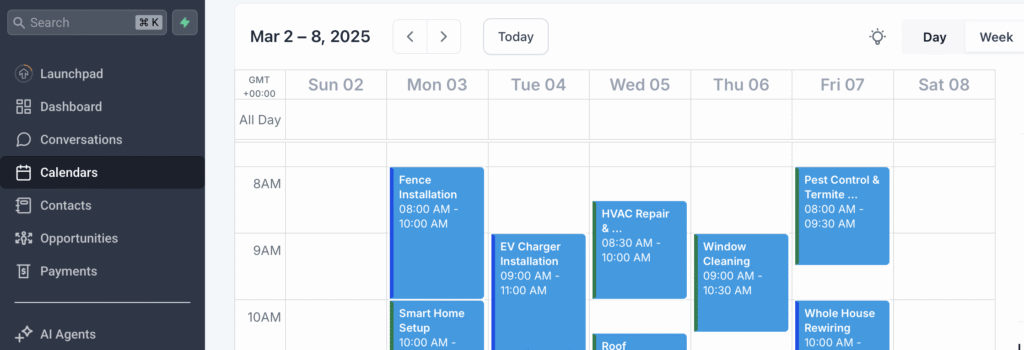
Assign jobs to team members, schedule site visits, and avoid double-bookings. Look for calendar integrations that sync with Google or Outlook.
4. Team Collaboration & Task Tracking
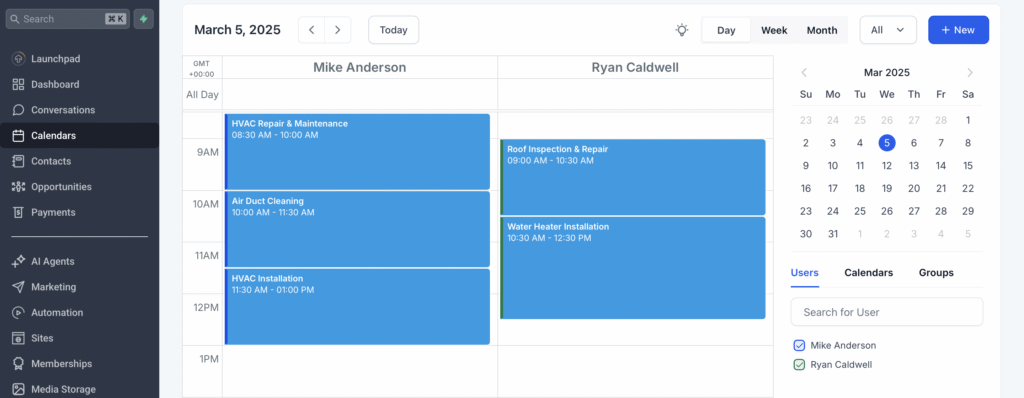
Assign tasks, set deadlines, and make sure your crew knows what to do — whether they’re in the office or on-site.
5. Client Communication in One Place
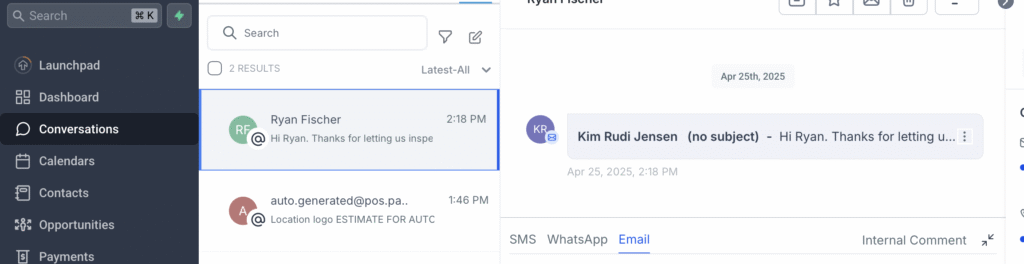
Centralize texts, calls, and emails with your clients. With a built-in communications hub, you never lose track of what was said or when.
6. Online Booking for Estimates or Site Visits
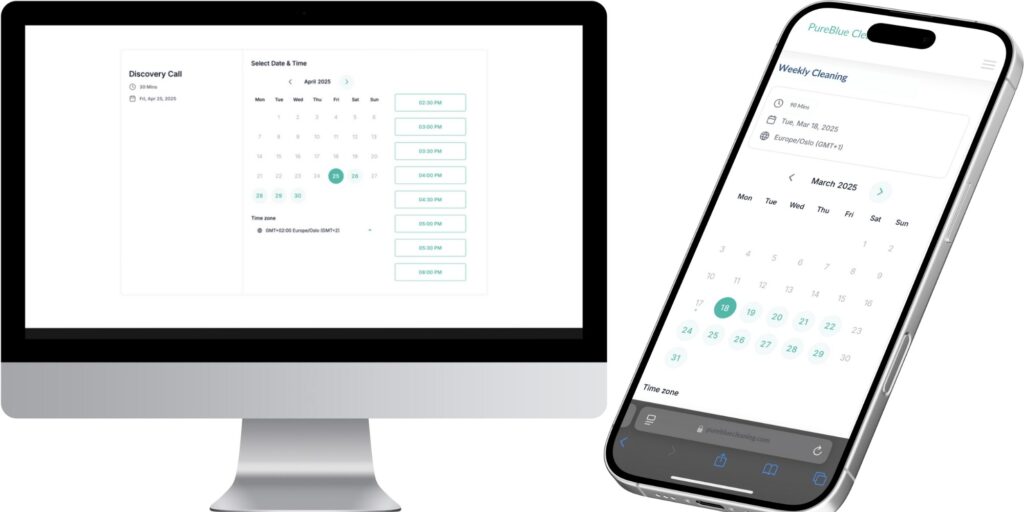
Let prospects book consultations directly from your website — even after hours. It’s one of the easiest ways to boost conversions without lifting a finger.
7. Mobile Access for On-Site Use
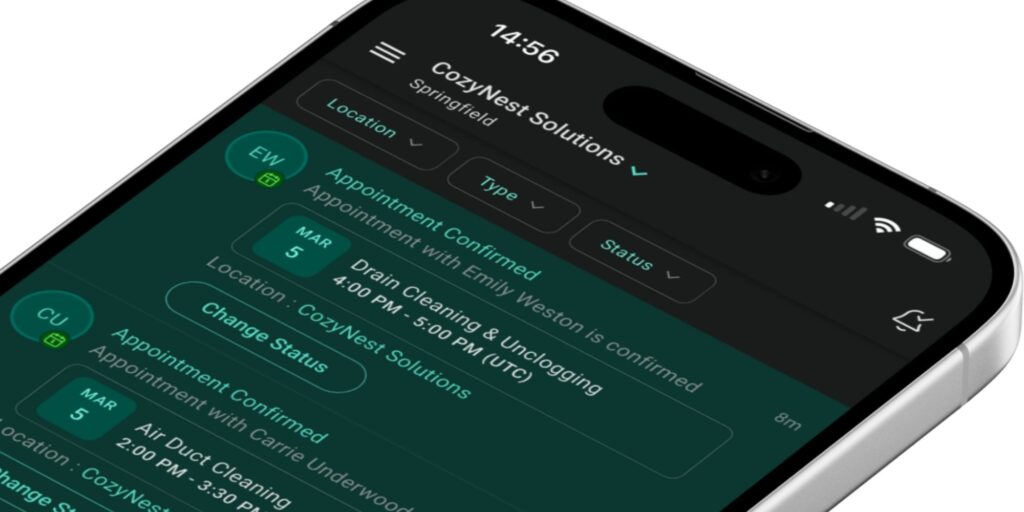
Your CRM should work just as well on a job site as it does in the office. Mobile functionality is non-negotiable if you want real-time updates from the field.
8. Invoicing & Payment Tracking
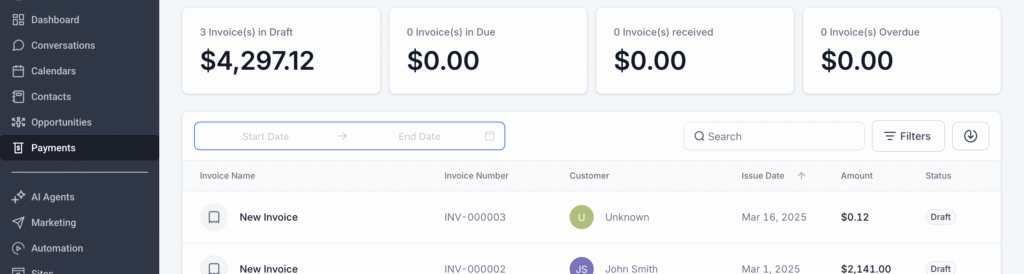
Some CRMs let you send invoices and get paid without switching tools. Bonus if they integrate with QuickBooks or your accounting software.
9. Custom Automation Workflows
Follow-up texts after an estimate. Reminders before job start dates. Check-ins after project completion. Automations like these turn more leads into jobs — and more jobs into 5-star reviews.
CRM Needs by Business Type
Every construction business faces operational chaos at some point — but the pain points and priorities vary depending on your business model. A one-size-fits-all CRM won’t cut it. That’s why choosing a system that matches your workflows is key.
Small Contractors & Remodelers
Smaller teams need a CRM that eliminates busywork without overcomplicating things. The focus here is on:
- Fast job turnaround
- Simple quoting and follow-up tools
- Automated reminders to stay on track
- A clean dashboard to manage leads and jobs without needing a full-time admin
A lightweight, automation-friendly CRM can free up hours every week and help smaller businesses look more professional — which goes a long way in landing higher-paying jobs.
General Contractors
GCs are often juggling multiple subs, timelines, and client expectations. The ideal CRM for GCs should offer:
- Clear visibility across multiple jobs
- Task delegation and internal communication tools
- Centralized document storage for permits, plans, and contracts
- Integration with calendars, accounting, and email tools
What matters most is control. A solid CRM gives GCs the power to stay organized and avoid things falling through the cracks — especially when managing multiple crews.
Home Builders & Renovation Firms
For firms managing high-value, long-duration projects, a CRM should help with both project planning and client lifecycle management. Look for features like:
- Milestone-based project tracking
- Client update automations to maintain transparency during long builds
- Detailed lead segmentation for marketing high-end services
These companies also benefit from CRMs that support longer sales cycles, with tools for nurturing leads over time and maintaining relationships post-completion.
Best CRM Options for Construction Companies in 2025
There are dozens of CRMs out there, but very few are built specifically for the needs of construction, remodeling, and home improvement companies. Many offer basic contact management or sales tools — but they fall short when it comes to job management, field coordination, and automations that actually move the needle.
Here’s how some of the most popular options stack up:
| CRM | Built for Construction? | Job Management | Online Booking | Automations | Pricing Transparency |
| Buildertrend | ✅ Yes | ✅ Advanced | ❌ No | ✅ Partial | ❌ Quote required |
| JobNimbus | ✅ Yes | ✅ Solid | ❌ No | ✅ Moderate | ❌ Hidden fees |
| HubSpot | ❌ No (general use) | ❌ None | ✅ Yes | ✅ Strong | ✅ Transparent |
| Salesforce | ❌ No (enterprise general) | ❌ Requires buildout | ❌ No | ✅ Enterprise | ❌ Expensive & complex |
| Negosense CRM | ✅ Yes (built for field ops) | ✅ Integrated | ✅ Built-in | ✅ Tailored | ✅ $1,500 setup + simple plan |
Why Most CRMs Fall Short
Platforms like Buildertrend and JobNimbus come close — but they still require a ton of manual setup or third-party tools to get the full picture. Generic CRMs like HubSpot or Salesforce are great at email automation but don’t speak the language of job sites, quotes, or field teams.
Worse, most don’t include a website, a booking system, or workflows for quotes, work orders, and team scheduling — which means you’re stuck duct-taping different platforms together.
Why Contractors Are Switching to Negosense CRM
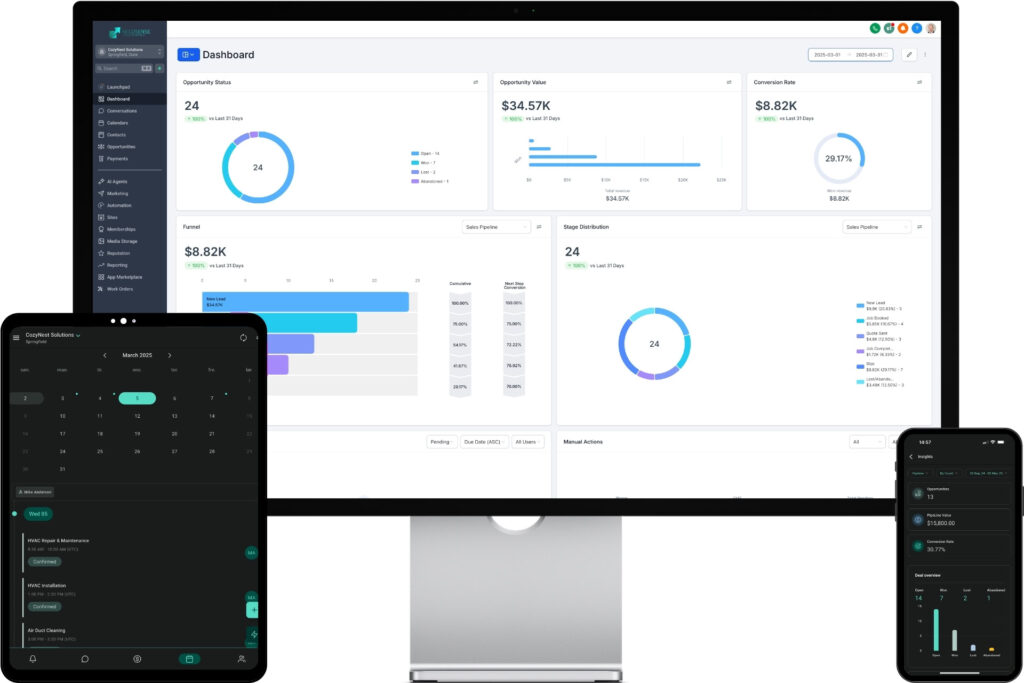
Negosense CRM was built specifically for construction, remodeling, and home service businesses that want one system to handle it all:
- Professional Website with built-in online booking
- CRM + Project Management in one dashboard
- Field Service Automations (work orders, team scheduling, job tracking)
- Automated quote follow-ups, reminders, and reviews
- Built on GoHighLevel — but with industry-specific enhancements that save you weeks of setup
Instead of cobbling together multiple tools or paying enterprise fees, you get everything done for you — fast.
Simple, Transparent Pricing
We charge a $1,500 setup fee to build your entire system — including the website, CRM, and all the automations. After that, it’s a flat monthly subscription.
No surprise charges. Just a system that delivers.
What Makes Negosense CRM Different?
Most CRMs give you a toolbox. Negosense gives you the finished build — ready to use, no assembly required.
We don’t just hand you software and expect you to figure it out. We build the entire system for you — from the website and booking setup to custom automation workflows tailored to how your business actually runs.
Here’s what sets us apart:
Built for Contractors, Remodelers, and Builders
Negosense CRM isn’t a generic platform with bolt-on features. It’s designed specifically for companies that do the work — quoting jobs, managing crews, scheduling projects, and keeping clients informed.
Whether you’re a general contractor, remodeler, or home builder, we know what you need:
- Clear pipelines to track jobs and leads
- Instant estimates and follow-ups
- Work order tracking and team scheduling
- A mobile-friendly system for on-site updates
Includes Field Service Automations
From the start, we build in the automations that save you hours every week:
- Follow-up texts after consultations
- Reminders before job site visits
- Review requests after completion
- Internal tasks for inventory and scheduling
- Alerts when jobs move forward
No need for third-party tools or patchwork systems. It’s all integrated.
Website and Booking System Included
You’ll get a conversion-optimized website designed to bring in leads and eliminate back-and-forth. Clients can request quotes, book site visits, or call you — with everything synced to your CRM and calendar.

This isn’t a template we hand over. We build it. We connect it. It works.
Unified Client Communication
Calls, texts, emails, and form submissions are all tracked in one place. No more switching tabs or losing track of what was said. Just one clean inbox where your whole team can stay on the same page.
One Setup. One Monthly Plan. Done Right.
For $1,500, we handle everything — website and SEO, CRM, automations, booking system, PPC campaigns and more. After that, it’s a flat monthly subscription. No surprises.
Negosense isn’t just another software product. It’s a fully built system that’s ready to grow your business from day one.
Implementation Tips – How to Get the Most from Your CRM
A CRM is only as powerful as the way you use it. Set it up right, and it becomes the system that runs your business while you focus on the work. Set it up halfway — or not at all — and it’s just another expense.
Here’s how to hit the ground running:
1. Define Your Pipeline Stages
Your sales pipeline should reflect how leads move through your business — from first contact to signed contract. Common stages for construction and remodeling businesses include:
- New Lead
- Estimate Sent
- Site Visit Completed
- Quote Accepted
- Job Scheduled
- Job Completed
- Review Requested
Mapping this out gives you clarity and control over your sales process. It also makes automation possible.
2. Automate the Follow-Up
The number one cause of lost deals? Failing to follow up. Set up automated texts and emails that check in after a quote, confirm appointments, and request reviews after a job is done. These small touches drive conversions and referrals — and you never have to remember to send them.
3. Centralize Your Communication
Don’t let leads slip through the cracks because you missed a voicemail or forgot to reply to an email. With a unified inbox, you can handle everything — texts, calls, emails, web form submissions — in one place. Every message is tracked, so nothing gets missed.
4. Use Mobile Access in the Field
Whether you’re checking schedules, updating job status, or sending estimates from a site visit, your CRM should work on your phone as easily as your desktop. Make sure your crew is trained to use it too — even at a basic level.
5. Track What Matters
Use your CRM’s reporting features to track:
- Lead sources (where your best jobs come from)
- Pipeline conversion rates
- Time from lead to job completion
- Follow-up and response times
This is how you stop guessing and start making better decisions.
Final Thoughts – Choosing the Right CRM for Your Construction Business
You don’t need more apps. You need one system that does the job right.
The best CRM for your construction or remodeling business is the one that:
- Fits your workflow
- Saves you time
- Helps you close more jobs
- Actually gets used by your team
That’s exactly what we’ve built with Negosense CRM — an all-in-one platform tailored to the way contractors, remodelers, and home builders work in the real world. No unnecessary features. No guesswork. Just tools that drive revenue and free up your time.
If you’re tired of managing jobs across spreadsheets, text threads, and whiteboards, we’ll build your full system for $1,500 — including a professional website, fully set up CRM, and custom field service automations.
Want to see how it works?
Book a free strategy call and we’ll walk you through exactly how we’d set it up for your business.
Stop duct-taping software together.
Start running your business like a system.
Frequently Asked Questions
1. What is the best CRM for construction companies in 2025?
The best CRM for construction companies in 2025 is one that combines project management, job scheduling, client communication, and automation in a single platform. Negosense CRM is purpose-built for contractors and remodelers, offering a done-for-you system with field service tools and a booking-enabled website included.
2. How is a construction CRM different from a regular CRM?
A construction CRM is designed specifically for managing field work, estimates, job sites, and team coordination — not just sales. Unlike general CRMs, it includes tools like job tracking, crew scheduling, automated follow-ups, and mobile access so contractors can manage projects from anywhere.
3. Can a CRM help grow my remodeling business?
Yes — a CRM helps remodeling businesses grow by streamlining admin work, automating follow-ups, reducing missed appointments, and improving lead conversion. It also makes your business look more professional, which builds trust with high-value clients.
Articles Related to CRM for Construction & Remodeling
Construction Services
- SEO for Construction Companies: Build Your Online Presence
- How to Get Quality Contractor Leads in 2025
- PPC for Construction Companies
- Web Design Tips for Construction Companies
- Best CRM for Construction and Remodeling (2025)
- How to Grow Your Construction Business in 2025