Web Design & UX
The Ultimate Guide to Web Design for Contractors
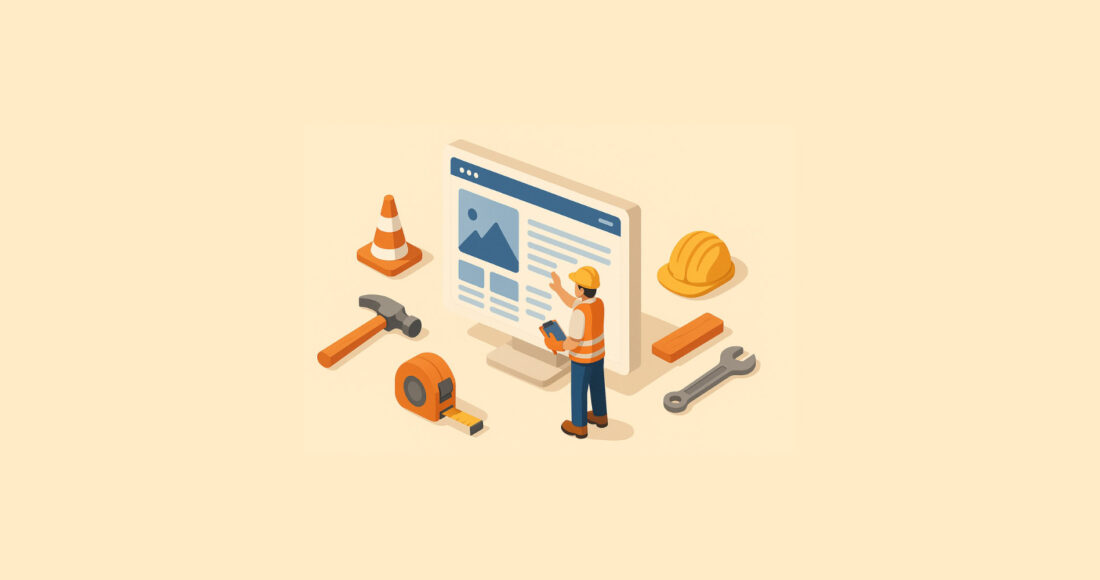
When homeowners need a plumber, electrician, roofer, or any other home service professional, the first place they go is often the internet. In an era of instant information and on-demand solutions, having a well-designed website isn’t just a nice-to-have—it’s a business necessity. That’s why we’ve created a guide to web design for contractors. This comprehensive guide will walk you through the crucial elements, best practices, and winning strategies for creating a home services website that stands out, builds credibility, and drives conversions.
Contractor Web Design—Why Does It Matter?
Home service businesses face a unique set of challenges and opportunities. First, many of your potential customers are in dire need: a burst pipe or a broken air conditioner is an emergency. That sense of urgency means they’ll make decisions quickly—often within minutes—based on who appears trustworthy, available, and professional.
On the other hand, planned services like renovations and landscaping are more competitive. Customers will research multiple providers, compare costs, and evaluate reviews before committing. Whether the need is urgent or planned, your website’s design directly impacts customer perception and conversion.
Build credibility: A polished website with clear credentials and testimonials immediately establishes trust.
What You’ll Learn in This Guide
In this article, we’ll cover:
- Must-have website features like service pages, mobile responsiveness, and strong CTAs.
- Key aspects of the home services customer journey and how to design for it.
- How to incorporate trust signals, local SEO, and booking integrations to boost leads.
- Real-world examples and case studies demonstrating the impact of strategic design.
By the end, you’ll have practical, actionable steps to web design for contractors. Whether you want to upgrade your current website—or build a new one from scratch.
Understanding the Home Services Customer Journey
How Prospects Find You
People discover home services in several ways:
- Emergency searches: For urgent issues—like a leak or electrical short—customers often type “emergency [service] near me” into Google on their phone. Your site must load quickly, display your phone number prominently, and convey your ability to help fast.
- Planned services: From regular maintenance to remodeling, these customers compare multiple providers. They’ll explore your reputation, portfolio, and pricing before scheduling a call.
- Local search & word-of-mouth: A friend’s recommendation or a neighbor’s endorsement can carry a lot of weight, but even then, most people will validate your reputation by visiting your website.
Key Decision Points
Once on your site, homeowners look for:
- Availability and speed: For urgent jobs, a “call now” button or real-time booking can seal the deal.
- Trust: Displaying customer reviews, certifications, and clear pricing or estimates.
- Ease of contact: A phone number, form, or chat option that’s simple to use with minimal friction.
User Expectations in 2025 and Beyond
As mobile usage continues to rise, users now expect a mobile-first experience. This includes:
- Fast loading: A slow site can cost you leads.
- Easy navigation: Menus, buttons, and forms designed for thumb-taps.
- Multiple contact methods: From online forms to text messaging, chatbots, and click-to-call.
Core Elements of Effective Web Design for Contractors
Clear Calls to Action (CTAs)
Your CTAs should be unmissable:
- Prominent phone number: Make it click-to-call on mobile devices.
- Request a quote / Schedule service: Place these CTAs at the top of every page and repeat them at logical points within content.
Structured Navigation & Service Pages
Organize your website in a way that makes sense to both users and search engines:
- Separate pages for each service: For instance, “HVAC,” “Plumbing,” and “Landscaping,” each with its own page.
- Descriptive page titles: Help with SEO and user clarity. For example, “Plumbing Repairs in [Location]” instead of “Our Services.”
Contact Information & Service Areas
Make it effortless for visitors to know where you operate:
- Map embeds or location lists: Show your primary service areas or neighborhoods.
- Consistent contact info: Display your address, phone number, and email on every page (commonly in the footer).
High-Impact Visuals & Media
Good imagery helps people visualize what you do:
- Project galleries: Before/after photos, or mini-case studies with short descriptions.
- Professional images: Low-quality stock photos can undermine credibility—consider using real photos of your team or completed projects.
- Mobile-Friendly & Responsive Design
Why Mobile Matters for Home Services
Many people call for help right from the job site or their living room couch. In emergencies, they’re impatient. If your site isn’t mobile-friendly, you’ll lose leads to competitors with a better user experience.
Additionally, Google’s mobile-first indexing means the mobile version of your site is Google’s primary reference for search rankings.
Responsive Design Best Practices
- Thumb-friendly navigation: Buttons and menus sized so users don’t mis-tap.
- Fast load times: Compress images, leverage caching, and consider using a CDN.
- Scalable design: Ensure images and text adapt to different screen sizes and orientations.
Click-to-Call and One-Tap Booking
When someone’s sink is overflowing, they don’t want to scroll or search for your contact button:
- Click-to-call: Mark your phone number with “tel:” links.
- One-tap booking: Integrate scheduling tools that let visitors book right then and there or request a callback.
Building Trust and Credibility
Showcasing Reviews & Testimonials
Contractor web design needs to focus heavily on trust building. And nothing builds trust faster than genuine reviews:
- Google, Yelp, or Facebook widgets: Display top reviews to show social proof.
- Star ratings: Placing a high-rating badge prominently helps visitors trust you quickly.
Industry Certifications, Licenses, and Badges
If your team is certified or licensed, feature these credentials:
- Logos and badges: People look for affiliations with recognized industry bodies or manufacturers.
- Trust factors: BBB accreditation, Energy Star certifications, or brand partnerships (e.g., Trane for HVAC).
Team & Business Story
Humanize your company by sharing:
- Staff photos: Seeing faces behind the brand creates a personal connection.
- Mission statements or videos: Storytelling fosters emotional engagement.
Before-and-After Galleries
This is highly beneficial in contractor web design. Particularly for trades like landscaping, painting, and roofing:
- Visual transformations: Let the images do the talking.
- Organized labeling: Showcase the project’s scope and improvements.
Local SEO Integration in Web Design for Contractors
On-Page SEO Fundamentals
To rank in local search results, use:
- Service + location keywords: “Plumbing repairs in [city]” in your headings and meta tags.
- Schema markup: Implement LocalBusiness or Service schema to enhance how search engines view your pages.
Google Business Profile Links & Embeds
- Official Google listing: Link from your site to your Google Business Profile for consistency.
- Map embeds: Include a Google Maps snippet showing your main location or service coverage.
Service Area Pages
If you serve multiple cities or neighborhoods:
- Dedicated pages: “HVAC in [City A],” “HVAC in [City B],” etc.
- Avoid duplication: Each page should have unique content relevant to that specific area.
Review & Testimonial Widgets
- SEO benefits: Regularly updated review feeds can keep your content fresh.
- Social proof: Visitors see recent, real customer experiences.
Conversion-Oriented Features & Integrations
As marketing and consumer behavior evolves in the digital age, so does web design for contractors. Customers increasingly expect:
Online Scheduling & Booking Tools
Offering instant online booking can boost conversions:
- Third-party software: Tools like Calendly, Acuity, or specialized home services platforms.
- Real-time availability: If your calendar is open, customers can pick a slot immediately.
Live Chat & Chatbots
Determine if live chat is right for you:
- 24/7 availability: Great for emergencies when staff isn’t available.
- Lead capture: Chatbots can gather essential info (name, phone, service needed) for follow-up.
Contact Forms & Call Tracking
- Short forms: The fewer fields, the higher the completion rate.
- Call tracking: Unique phone numbers help measure effectiveness of different ads or landing pages.
CRM Integration
- Sync leads automatically: Tools like ServiceTitan, Jobber, or HubSpot.
- Immediate follow-up: Once a lead arrives, your system can notify the right team member.
Performance, Security, and Accessibility
Site Speed & Hosting
Speed isn’t just a ranking factor—it’s critical for user satisfaction:
- Reliable hosting: Choose a plan designed for consistent uptime and performance.
- CDN for media: Helps deliver images quickly, especially if you showcase large project photos.
Security & Trust Seals
- SSL certificate (HTTPS): A non-negotiable for any modern website.
- Secure payment processing: If you take payments or deposits online, make sure the payment gateway is PCI-compliant.
Accessibility Best Practices
- ADA compliance: Ensure proper alt text, color contrast, and keyboard-friendly navigation.
- Wider audience: Accessibility features not only help people with disabilities but also improve SEO and user experience for everyone.
Maintaining & Updating Your Website
Regular Content Updates
- Service pages: Keep them current with pricing or seasonal offers.
- Blog or updates section: Publish educational content to boost SEO.
- Project galleries: Rotate or add new before-and-after photos to stay fresh.
Ongoing Technical Maintenance
- Platform updates: Keep CMS, plugins, and themes current to avoid security flaws.
- Broken links & errors: Periodically test for 404 errors or outdated info.
Tracking Results & Site Analytics
- Google Analytics: Monitor traffic, bounce rates, and conversions.
- Goal setting: Track form submissions, calls, or bookings to measure ROI on marketing efforts.
Use Cases
How good contractor web design can benefit different niches:
Short Stories of Success
- Local plumber’s website redesign: After optimizing for speed and mobile, conversions can often increase by 35%.
- Roofer improves site speed: Reducing load time from 4 seconds to under 2 seconds can lead to a 20% decrease in bounce rate and more quote requests.
Before-and-After Website Redesign
- Old vs. new design: Simpler navigation, updated images, and streamlined CTAs guides users to contact forms faster.
- Impact on user flow: Better site structure often yields higher engagement and lead generation.
Conclusion & Next Steps
Key Takeaways
- Mobile-first approach: Expect the majority of your visitors to come from smartphones.
- Clear CTAs: Make it effortless for customers to call, book, or request a quote.
- Local SEO & trust signals: Incorporate reviews, credentials, and precise service area information.
- Regular upkeep: Keep your website fast, secure, and updated with fresh content.
Professional, conversion-focused web design for contractors lays the foundation for all other marketing efforts. Whether you’re running PPC ads, posting on social media, or relying on word-of-mouth, your website is the virtual “shop window” that convinces visitors to become leads and, ultimately, customers.
Learn More or Get Assistance
If you want an expert eye on your website, request a free consultation to see where you stand and how you can improve.
Final Notes on Execution
- Use clear headings & subheadings: Make content scannable and SEO-friendly.
- Incorporate visuals: Screenshots, project photos, or design mockups keep readers engaged.
- Add internal links: Guide visitors to related content and capture leads more effectively.
- Include a table of contents: Especially if this post is lengthy, a “jump to section” feature enhances user experience.
By following these best practices for web design for contractors, you’ll craft a home services website that not only looks great but also delivers measurable business results—helping you build trust, capture more leads, and grow your business in a competitive market.
Articles Related to Web Design for Contractors
- The Ultimate Guide to Digital Marketing for Home Services
- The Ultimate Guide to CRM for Home Services
- Lead Generation for Contractors: More Clients with Paid Ads
- Guide to SEO for Construction Companies
- Electrician Website Design: Free Setup with CRM
- How to Build an HVAC Website That Converts
- How to Create a Free Cleaning Website That Drives More Leads and Sales
- SEO for Home Services in 2025